
In 2026, open-world games remain the industry's favorite playground, and the map edge is still one of the trickiest design puzzles. Developers must stop players from wandering into unfinished space without snapping the immersion like a dry twig. The cleverest solutions turn a technical wall into a memorable piece of the world. From shark-infested waters to mime patrols, leviathans, drone swarms, and a literal red sea, these boundaries prove that saying 'no' can be an art form. The best examples do not feel like a chaperone tapping a watch; they feel like part of the fiction, a wink, or a challenge that players remember long after the credits roll.
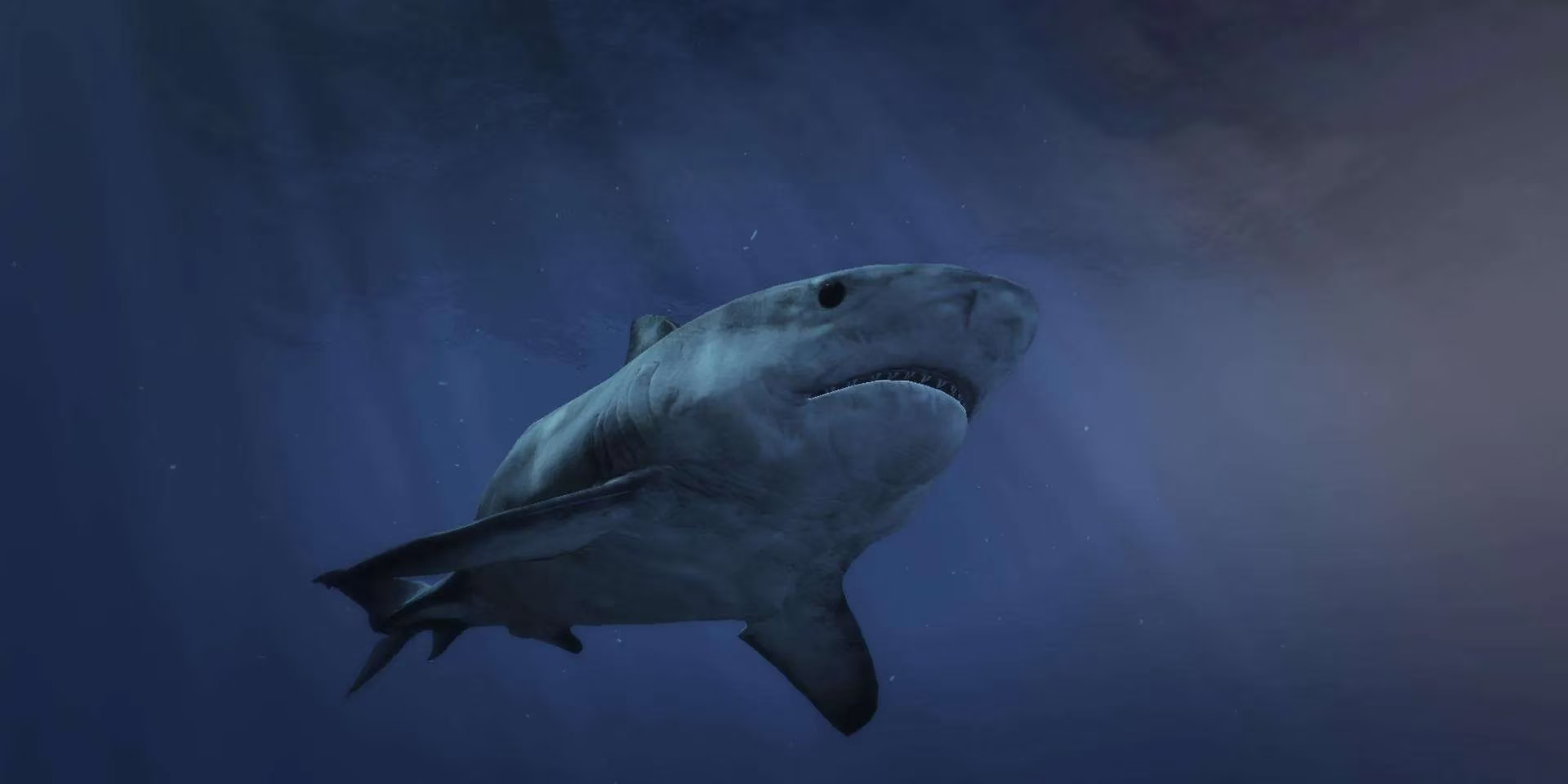
The GTA 5 Shark Patrol: A Border With Teeth
Grand Theft Auto 5 handles its coastline with a grin and a set of teeth. Instead of an invisible wall politely nudging players back, the game sends deadly sharks after anyone who pushes too far into the ocean around Los Santos. Boats sink, planes crash, and the whole affair ends with a grisly death by aquatic predators. Sharks are rare in the Los Angeles-inspired setting, but they do show up on occasion, which makes their presence feel believable rather than random. Players who test the boundary usually get the same answer, and it is not a friendly one. The result is a border that fits the crime-world tone and turns curiosity into a grim little joke.
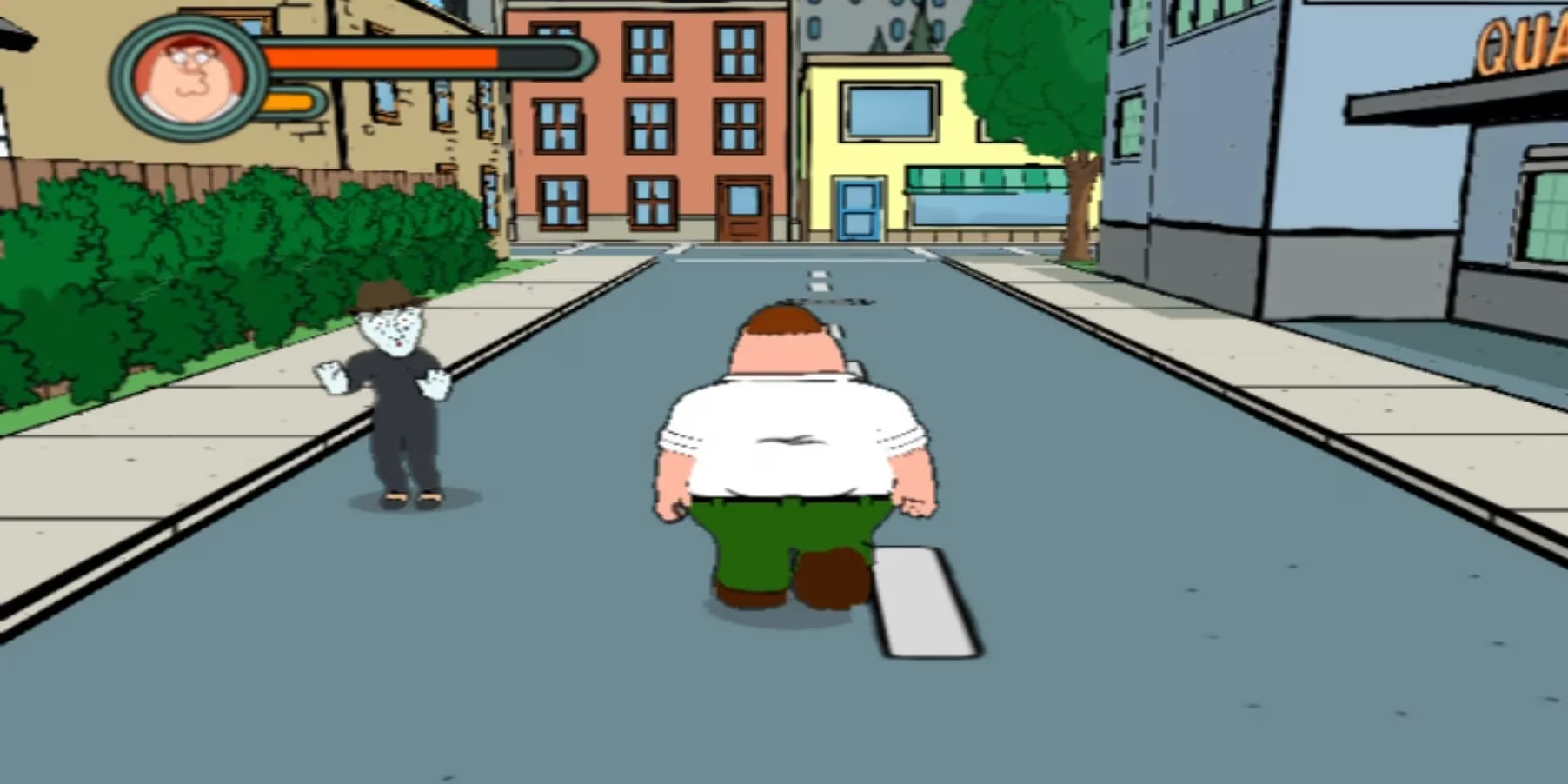
Family Guy and the Mime Wall: A Fourth-Wall Cheek
Most fans of Family Guy probably never crossed paths with the 2006 game based on the series, but its map border deserves a spot in the hall of fame. Mimes guard the invisible wall and turn players back if they get too close. It is delightfully on-brand for a franchise that loves fourth-wall breaks, absurd gags, and cheeky nonsense. The mimes do not ruin immersion because the game never takes itself too seriously in the first place. In a medium full of grim warnings and sudden deaths, a silent performer shooing players away is a proper laugh.
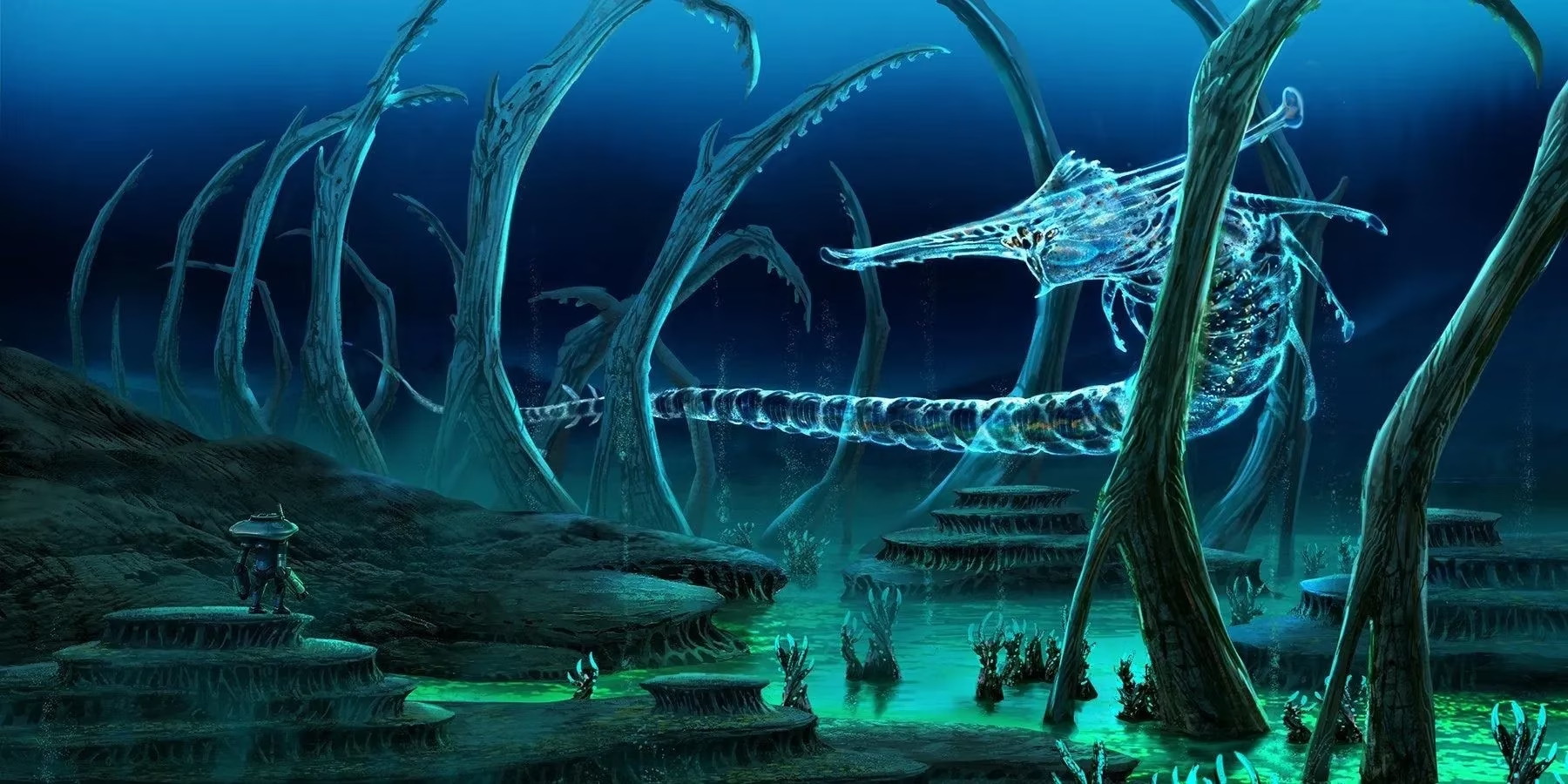
Subnautica's Ghost Leviathan: A Boundary That Fights Back
Subnautica does not settle for a simple impassable border. It provides an insurmountable challenge in the form of the Ghost Leviathan, one of the strongest creatures in the game. Up to three can spawn at once if a player chooses to stay in the out-of-bounds area, and while they can be killed, they simply respawn. That makes the border a source of late-game entertainment as much as a warning. The sea itself feels alive with judgment, and the message is clear without ever breaking the fiction. Few boundaries are as terrifying, and fewer still are as memorable.
Motocross Madness: The Launch Pad Approach
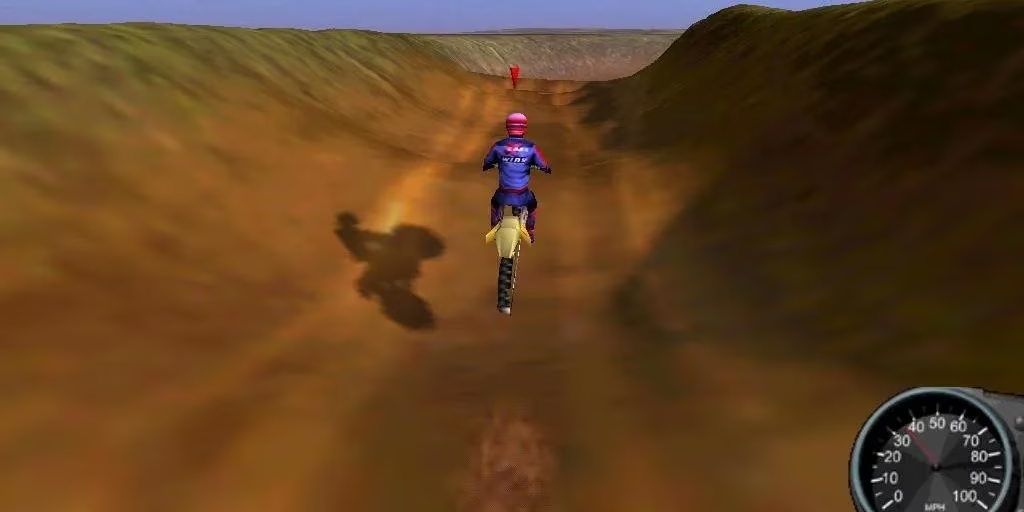
Motocross Madness was a technical achievement in its day, with expansive terrain and impressively realistic physics. It also had a wonderfully blunt way of reminding players to stay inside the assigned area. Anyone straying too far would be launched miles into the air, a cartoonish punishment that served as an entertaining but direct reminder. The game did not dress the border up in lore or mystery; it simply spat players back with style. Sometimes a flat-out visual gag is enough, especially in a racing game where speed and spectacle already carry the day.
Mad Max and The Big Nothing: Lore as a Border
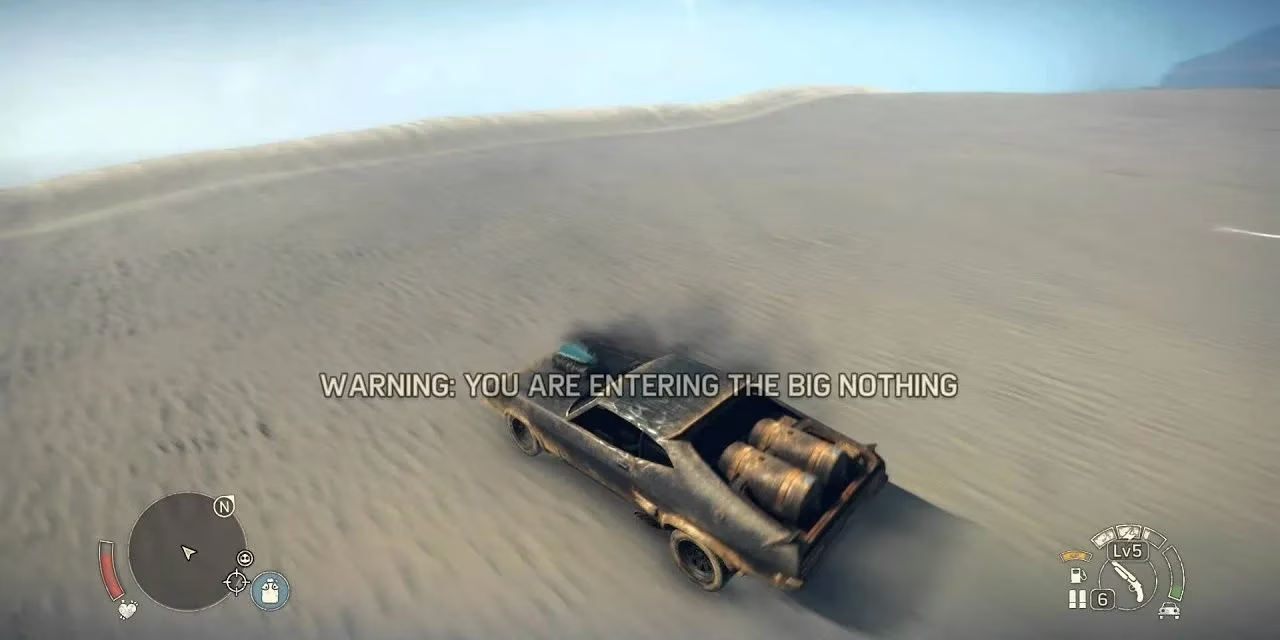
A compelling map border should fit the universe around it, and the 2015 Mad Max game nails that brief. The Big Nothing refers to a vast, desolate wasteland in the films and to the out-of-bounds area in the game. It has no special features beyond damaging the player until death, much like other out-of-bounds zones, but the explanation is built into the franchise's established world. That makes it one of the best examples of a boundary that feels like a place rather than a rule. The wasteland does not need a monster or a flashing sign; it simply is nothing, and nothing is lethal.
Splashdown's Kraken: Arcade-Style Punishment
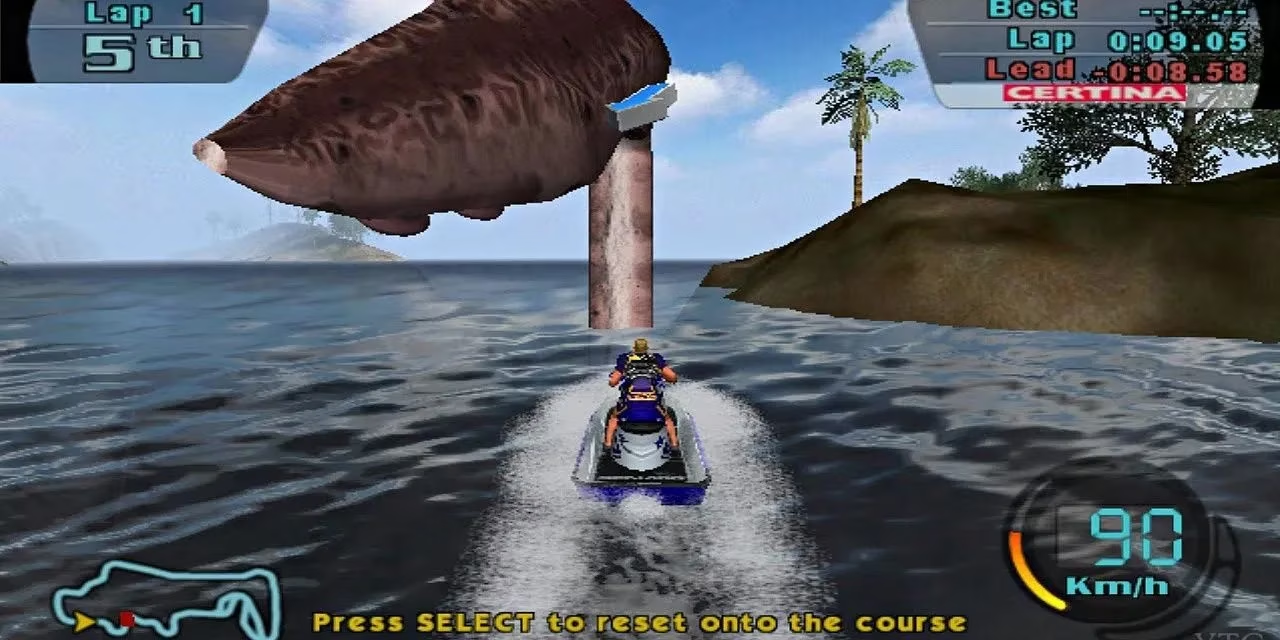
Splashdown is a boat racing game originally released for the PS2 in 2001, and its map border is comically simple yet effective. Players who stray a little too far from home quickly find themselves in the clutches of a sea monster resembling a Kraken. The creature slams down on the boat and sends the player back to the last checkpoint. The attack comes out of nowhere, which makes it very entertaining, particularly for a simple arcade racer. It is a border with a punchline, and that suits the game's breezy energy.
Assassin's Creed Desynchronization: Memory as a Boundary
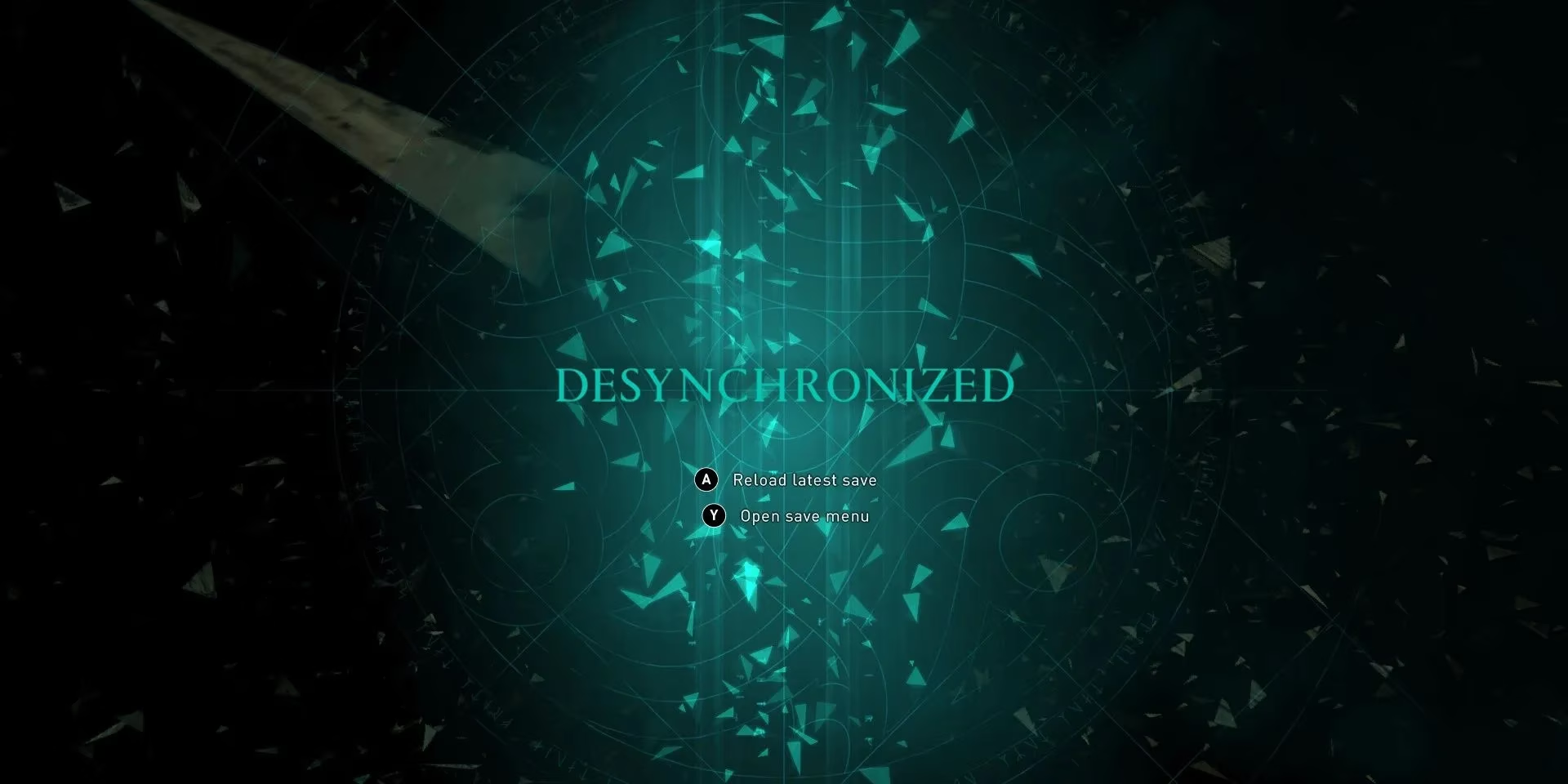
The Assassin's Creed franchise has maintained the same approach to map limits for years, and it remains one of the best because of how it is framed. Straying beyond the map border causes desynchronization, the same consequence as failing an objective. In practice, it reverts the player to the last checkpoint, but it also reminds them that the character is living through the memories of another time. That framing makes the experience feel more grounded and less like a developer's invisible fence. The border becomes part of the historical simulation, not an interruption of it.
Ghost Recon: Breakpoint's Drone Swarm: Grounded Terror
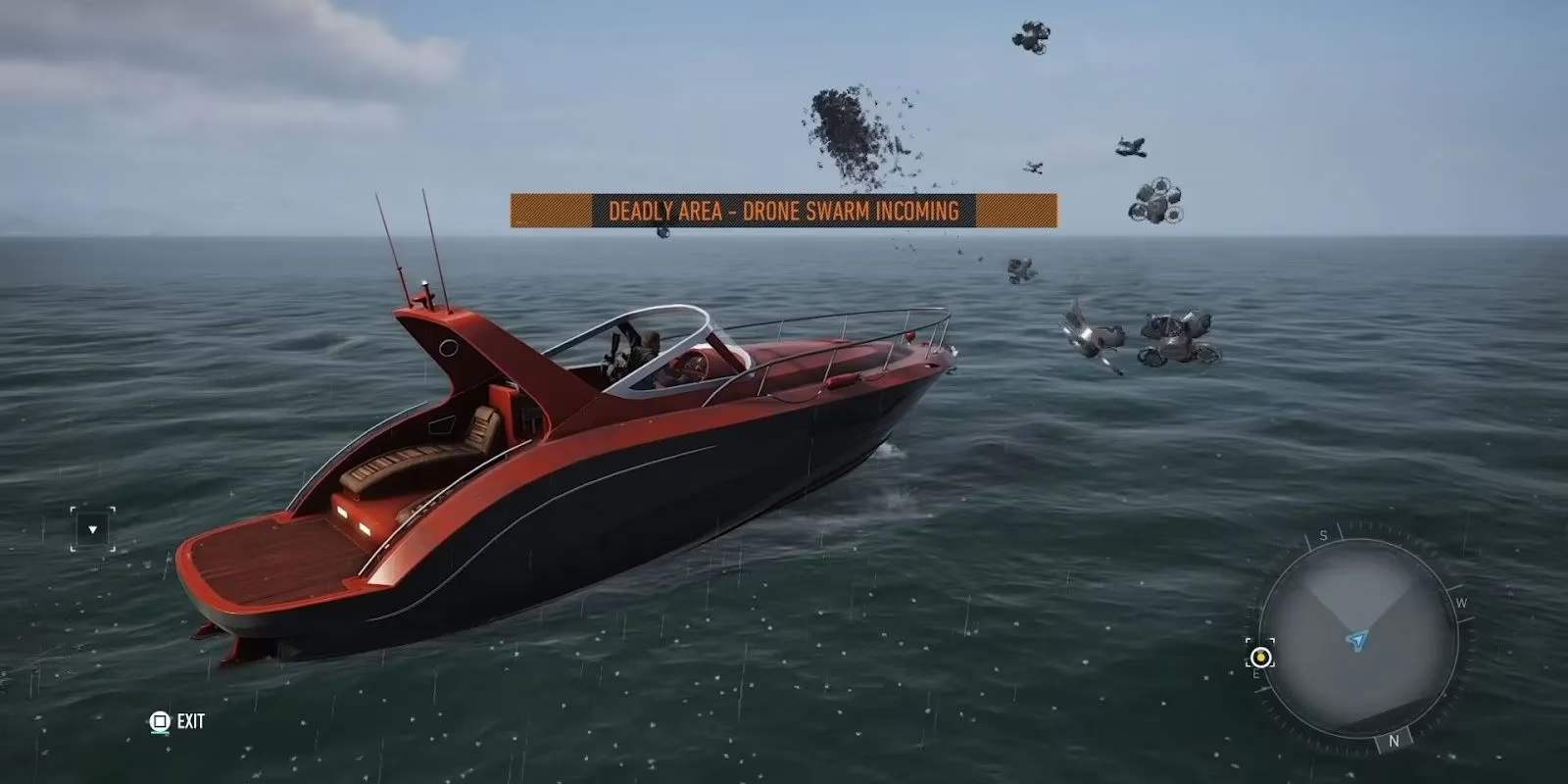
Many open-world games use large bodies of water as map borders and then enforce them with a giant sea monster. Ghost Recon: Breakpoint goes another way, and the change is refreshing. Players straying too far from land find themselves mobbed by a large drone swarm that begins to circle in the distance before attacking. The visual is downright eerie, and the fact that the swarm does not simply appear out of nowhere goes a long way toward making it feel like a real part of the world. The conclusion is unavoidable, but the warning is sensible and grounded.
Far Cry 6: A Reward for Pushing the Limit
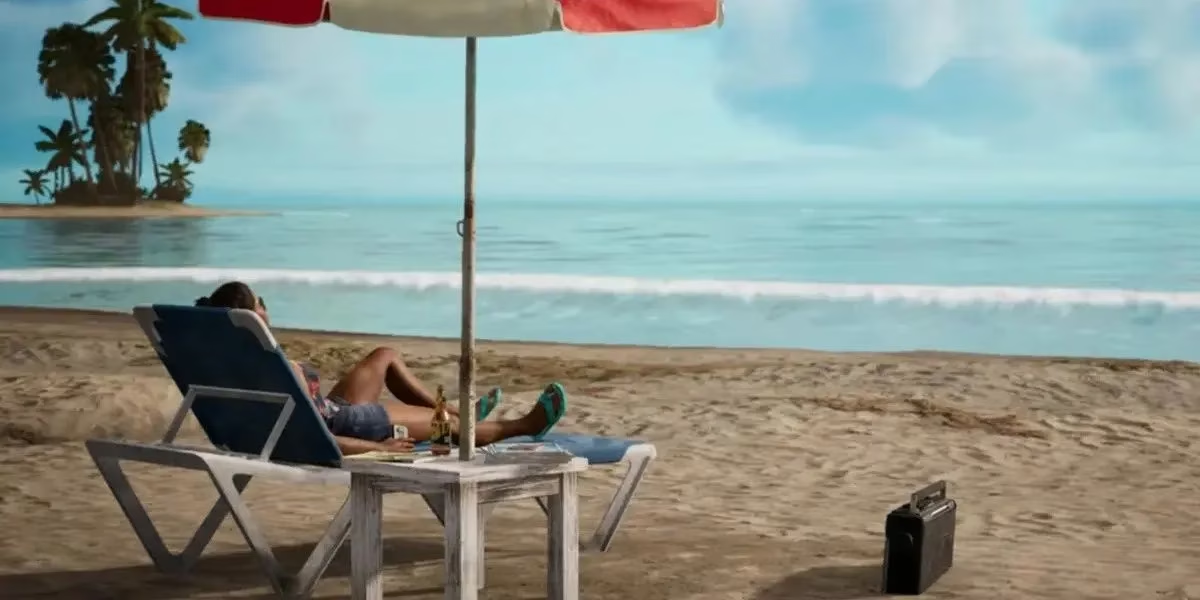
Far Cry 6 takes a very different approach. Leaving the map is not encouraged, but doing so can actually net the player a reward rather than instant death. Heading out to sea triggers a message that they are leaving Yara and should turn back, but pressing on unlocks a secret achievement and the secret game ending. The Hidden in Plain Sight achievement must be earned before the main story is completed, and afterward the game can be resumed as normal. The novelty of not punishing players for testing the border makes for a fantastic addition. It is a cheeky nod to curious players and a reminder that boundaries can be playful.
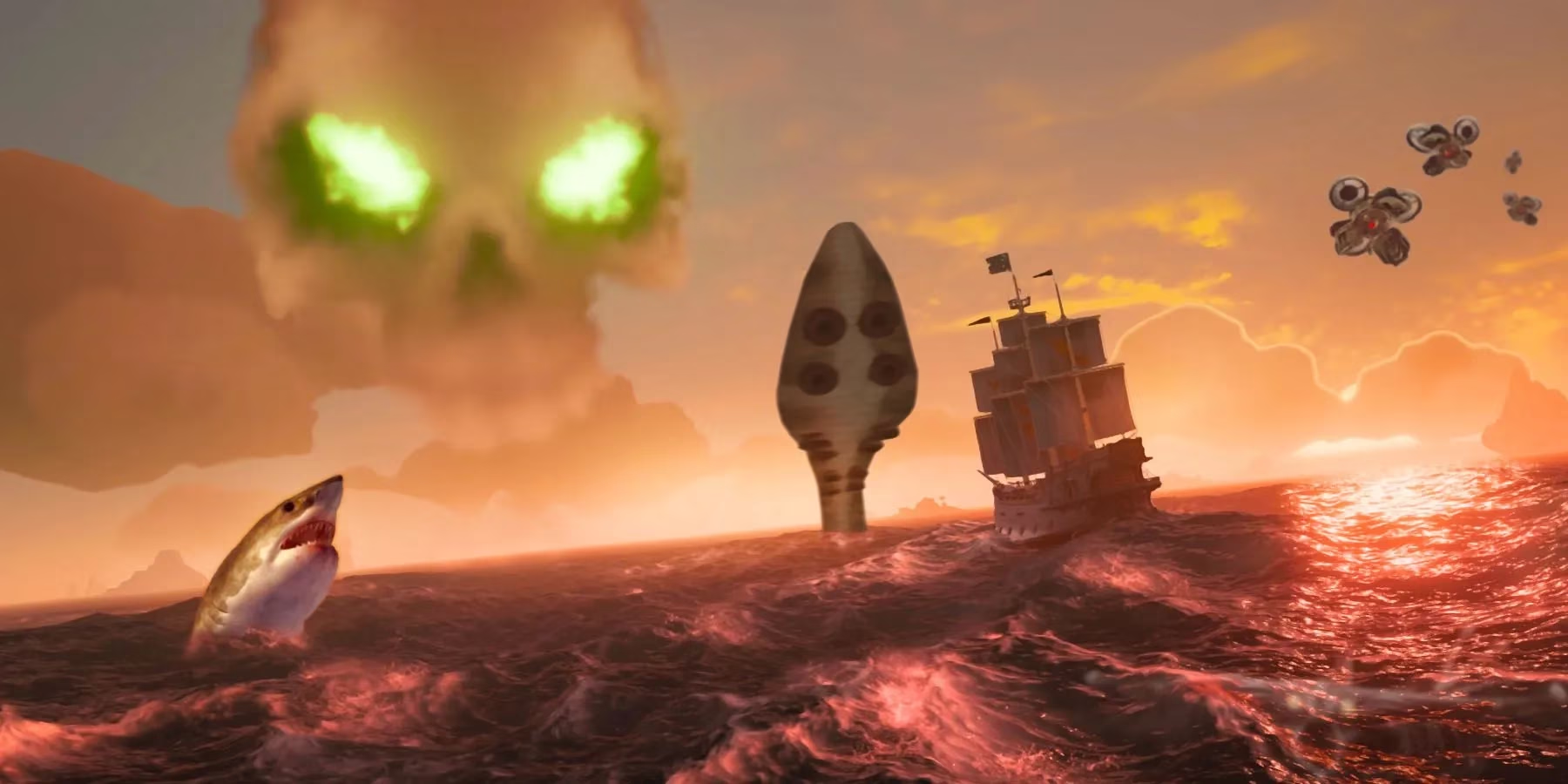
Sea of Thieves' Red Sea: The Iconic Blood Sea
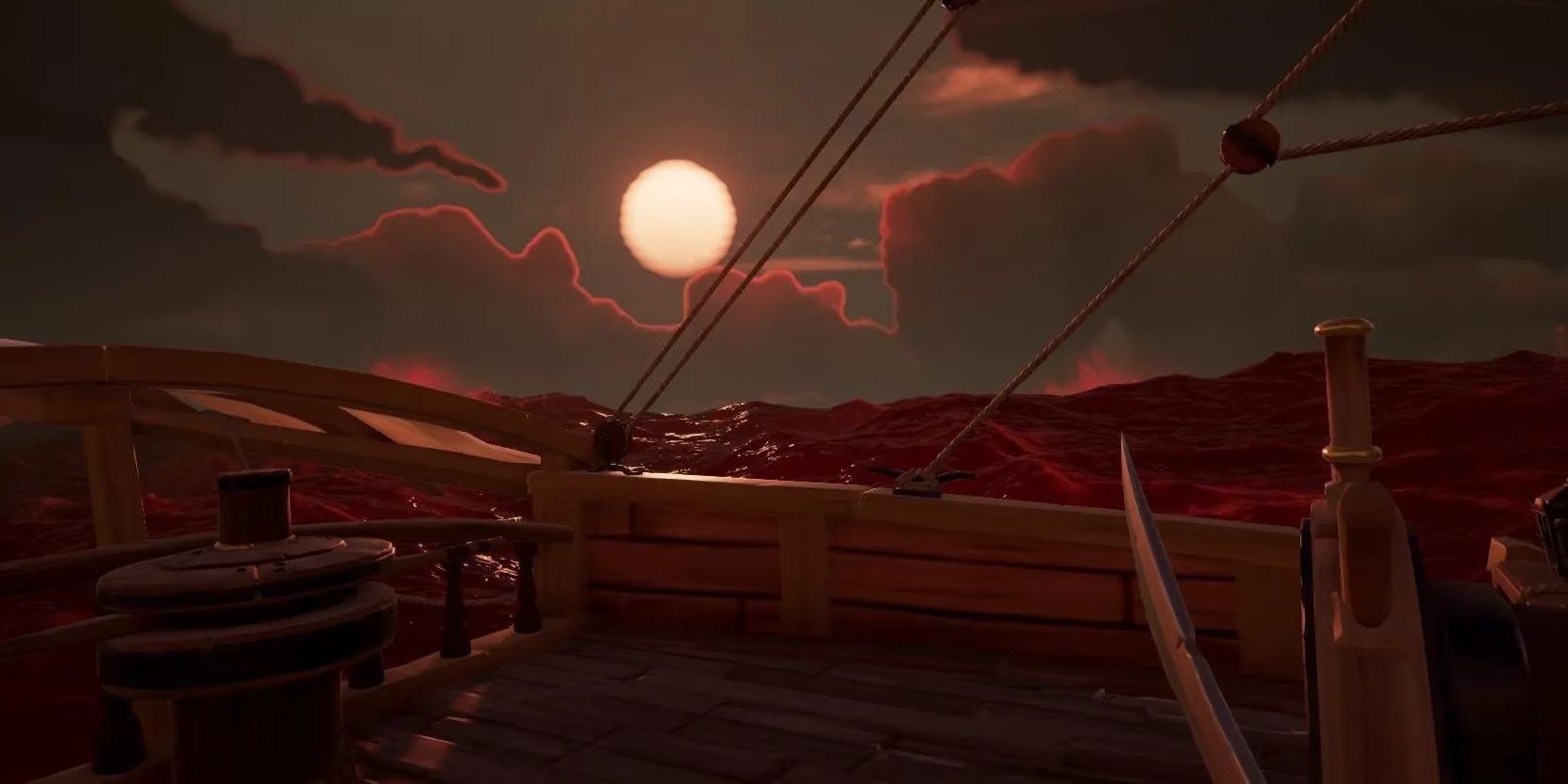
Perhaps the best-known and most iconic map border in modern games is the Red Sea from Sea of Thieves, also known as the Blood Sea or Devil's Shroud. It does exactly what one might expect, slowly damaging a ship until it sinks into the depths. What sets it apart is the spectacular visual and the fact that the game gives players a decent chance to recover and turn back. The ship needs extensive and fast repairs to stay in the area for any length of time, but unless players venture quite a way in, the situation is recoverable. That gives the border a much more realistic feel than a simple invisible wall.
Why These Boundaries Work
A strong boundary respects three rules: it fits the lore, it telegraphs danger, and it gives players a fair chance to react. The examples above cover the full spectrum from punishment to punchline. As of 2026, they remain useful reference points for designers who want to keep players inside the map without breaking the spell.
| Game | Border Method | Why It Lands |
|---|---|---|
| GTA 5 | Shark-infested ocean | Fits the crime-world tone and makes vehicles fail in believable ways |
| Family Guy | Mime patrol | Fourth-wall humor that matches the franchise |
| Subnautica | Ghost Leviathan | A terrifying, respawning challenge built into the ecology |
| Motocross Madness | Launch into the air | Direct, funny, and impossible to ignore |
| Mad Max | The Big Nothing | Lore-friendly wasteland that needs no explanation |
| Splashdown | Kraken attack | Arcade chaos with a memorable visual gag |
| Assassin's Creed | Desynchronization | Ties the border to the memory-simulation premise |
| Ghost Recon: Breakpoint | Drone swarm | Grounded, eerie, and telegraphed before attack |
| Far Cry 6 | Secret achievement and ending | Rewards curiosity instead of punishing it |
| Sea of Thieves | Red Sea damage | Iconic visuals and a fair chance to recover |
The lesson is simple: the best open-world borders do not feel like a chaperone tapping a watch. They feel like part of the world, a wink, or a challenge that players remember long after the credits roll. 🎮
Comments