
I can still feel the slightly sticky plastic of that Half-Life: Game of the Year Edition case under my thumb. Gordon Freeman—weirdly botoxed-looking, as if he had been preserved in a golden jar of 1998 marketing—stares out from the sleeve, framed by a banner announcing the game as part of the Best Seller Series. I have a nostalgic fondness for those late-90s and early-2000s initiatives, the ones that gave top-selling games a trophy-coloured label and a cut price. The Best Seller Series and the PlayStation Platinum Collection made my shelves look like a museum of good taste. They felt like war medals, and they made it cheaper for me to fill those shelves with games.
Flip that Half-Life box over and the back did the hard sell for me: a quote from PC Gamer calling it The Best PC Game Ever, plus a little stamp declaring that Half-Life was awarded Game of the Year by over 50 publications. None of that is surprising. Half-Life is a phenomenon, a game-changer, and few people in 1998 would have questioned its GOTY claim, even if you could argue for Fallout 2, Metal Gear Solid, Ocarina of Time, or Baldur's Gate. What a year for gaming that was. The point is that Game of the Year meant something when Half-Life became—as far as I know—the first game ever re-released as a Game of the Year Edition, complete with all its DLC, Team Fortress, and that illustrious label.
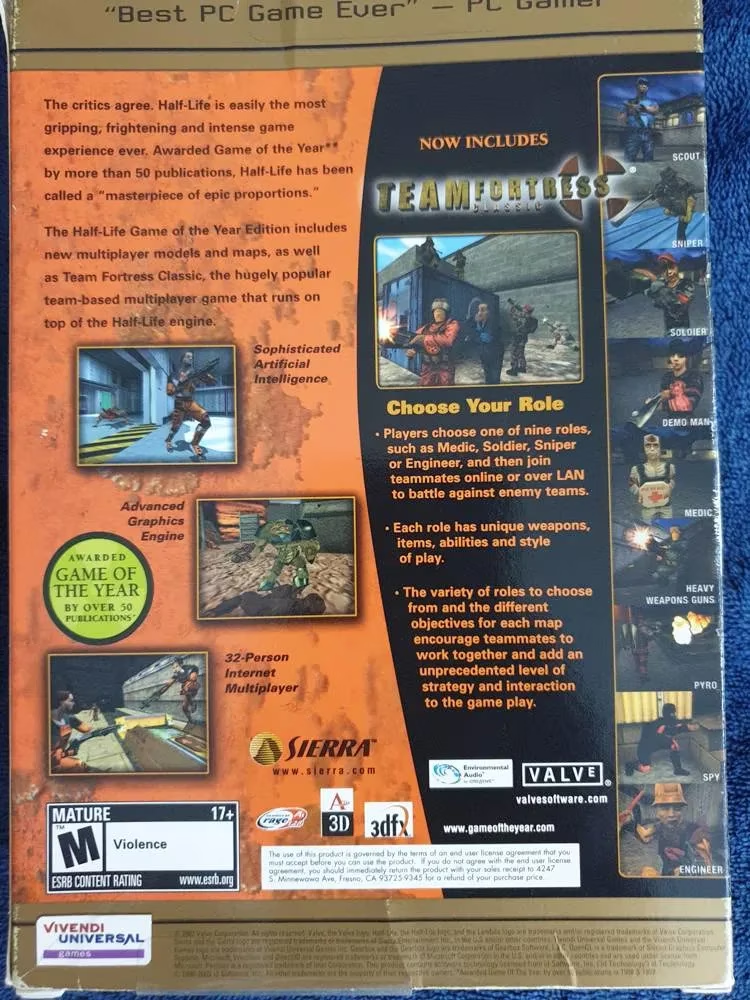
A Golden Sticker That Once Meant Something
For a few years, the label held true. Deus Ex: Game of the Year Edition arrived in 2001, and the claim was fully deserved, even if the bundle was mostly a patch, a few changed map files, and some modding tools. Unreal Tournament and Morrowind got their own GOTY editions in the early 2000s. One of the less famous examples was Kohan: Immortal Sovereigns, a 2001 strategy game that won quite a few Best Strategy Game awards that year. You can already see the definition stretching. Back then, the implication was best overall game, irrespective of genre. That was the promise, and I believed it.
The Year the Label Broke
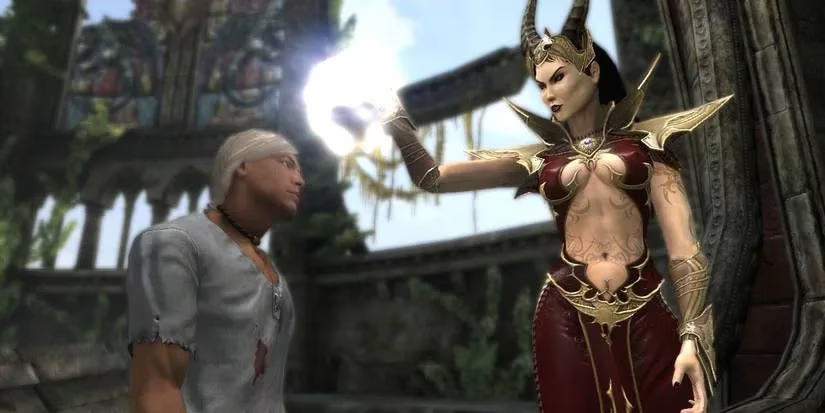
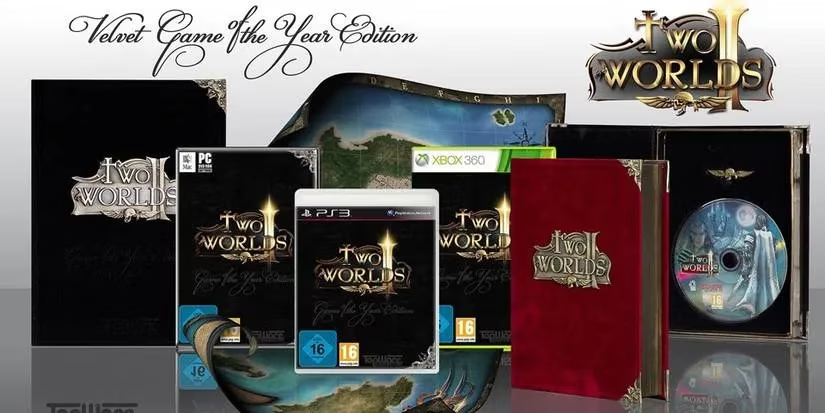
Around 2010 and 2011, things started getting crazy. Men of War: Assault Squad and Two Worlds II both got repackaged as Game of the Year Editions. In a year when Red Dead Redemption, Mass Effect 2, and Fallout: New Vegas were released, Two Worlds II was apparently the Game of the Year according to its own creators. I laughed, then I sighed. Eyebrows were raised and questions were asked, but there was no higher authority to appeal to—no government, no EU, no UN, and sadly no dispassionate council of judges ready to throw offenders into a fiery pit for crimes against games branding. It was only a matter of time before any game could be repackaged as a quote-unquote Game of the Year.
| Game | Bundle era | Did it deserve the label? | My reaction |
|---|---|---|---|
| Half-Life | 1998–99 | Yes | The original gold standard |
| Deus Ex | 2001 | Yes | A patch and mod tools, but the claim held |
| Morrowind | Early 2000s | Yes-ish | A classic, even if the bundle was thin |
| Kohan: Immortal Sovereigns | 2001 | A stretch | Best strategy game, not best overall |
| Men of War: Assault Squad | 2010 | Questionable | Eyebrows raised |
| Two Worlds II | 2011 | No | A fancy case and a map poster |
| Far Cry 6 | 2021 | No major awards | Coulda-shoulda-woulda |
| Cyberpunk 2077 | 2020/2023 | Rough launch, later recovery | The GOTY label never arrived, thankfully |
The Irony of the Real Winners
Here is the great irony: in recent years, games that actually win myriad GOTY accolades tend not to repeat the claim on the box. I appreciated how Dark Souls had a Prepare to Die Edition. I imagine Elden Ring—one of the most GOTY-decorated games ever—will not feel the need to do the whole GOTY Edition spiel. I have quiet respect for games that theme their bundle names around the game itself, like Duke Nukem 3D: Megaton Edition or Deus Ex: Human Revolution – Augmented Edition, or that outright mock the convention, like Saint's Row IV: Game of the Century Edition. Even the old Gold Edition approach, as seen with Resident Evil Village, feels classier than a claim only a tiny proportion of people would agree with.
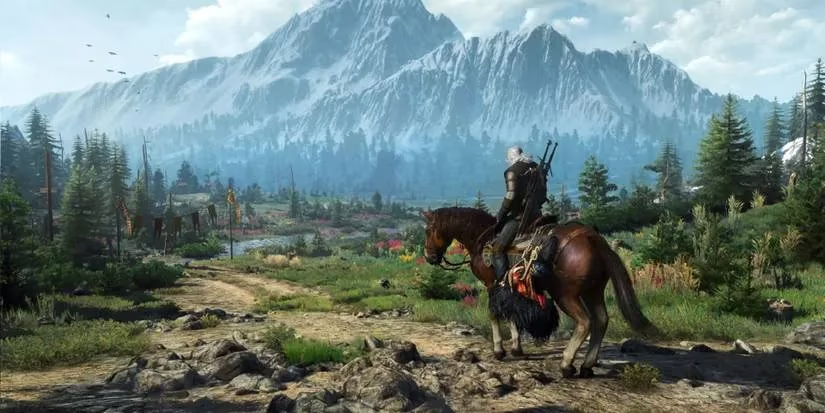
The Witcher 3 was clearly the Game of the Year in 2015, yet its bundled edition was modestly titled Complete Edition. Like Geralt himself, the bundle did not need to peacock or adorn itself with false gravitas. It knew what it was about. Meanwhile, Skyrim's multiple editions did not batter us over the head with its 2011 GOTY status, even if Bethesda has shamelessly monetised the same game over and over. Fallout 4 did get a GOTY Edition, though hardly anyone placed it above The Witcher 3 as the best game of 2015. That plays right into my theory: the GOTY Edition is often a signifier of publisher insecurity.
My Shelf in 2026
By 2026, the GOTY Edition feels less like a badge of honour and more like a clearance sticker with delusions of grandeur. Digital storefronts now push Ultimate Edition, Definitive Edition, Gold Edition, and Complete Edition—labels that describe contents rather than invent trophies. Baldur's Gate 3 swept awards in 2023 and shipped as a Digital Deluxe Edition. Elden Ring's Shadow of the Erdtree arrived as an edition named for its expansion, not for a trophy. Astro Bot won the big 2024 prize and did not need a golden seal to prove it. The biggest winners have learned what Geralt knew: confidence is quiet.
So my answer to the old question—should we get rid of GOTY Editions?—is yes, or at least replace them with honest labels. Call it Complete. Call it Ultimate. Call it the edition that finally includes the DLC. Just do not call it Game of the Year unless the year, the awards, and the game itself can survive the scrutiny. My Half-Life box can stay on the shelf as a relic of a time when the lie was still small enough to fit under a golden banner. The rest can go. 🎮",
"language": "en
Comments