
Even in 2026, I find myself returning to video games set in or inspired by South America more often than I ever expected. There is something about the continent's mix of dense jungle, sun-scorched highlands, crumbling colonial architecture, and turbulent political energy that makes it feel like a pressure cooker for great interactive stories. South American game settings are like the continent's river systems—rarely mapped in mainstream gaming, but once you enter them, they branch into dozens of unforgettable tributaries. I have spent whole weekends roaming these virtual landscapes, and each one has left a different kind of mark on me.
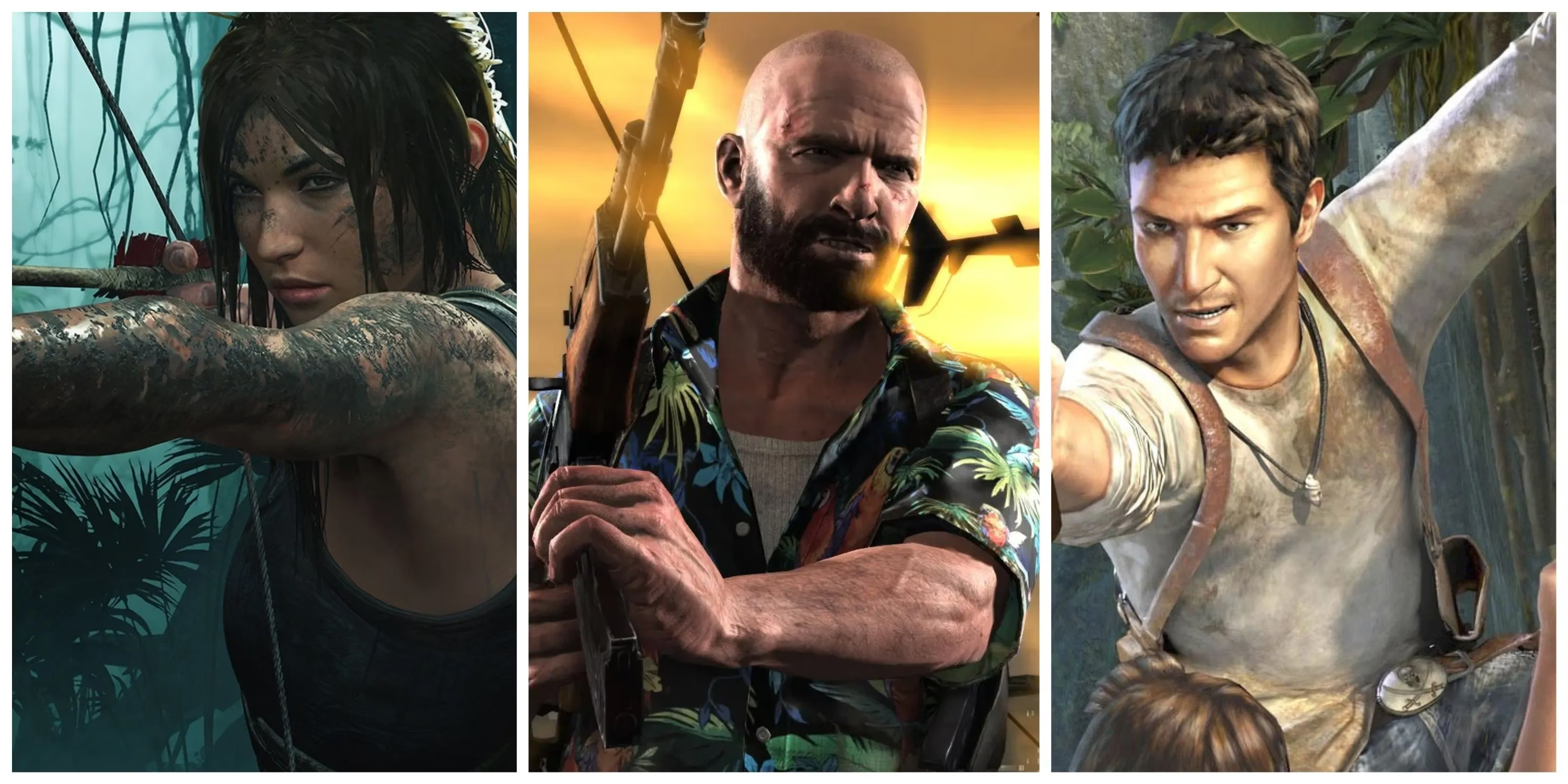
The Ghosts of Bolivia – Tom Clancy’s Ghost Recon Wildlands
Ubisoft knows how to make an open world feel alive, and Ghost Recon Wildlands is one of their best examples. In my playthrough, Bolivia felt like a military-grade impressionist painting: every ridgeline, salt flat, and jungle draw seemed placed by a hand that understood both beauty and ambush. The co-op freedom is what keeps me coming back. One session might be a silent night infiltration, the next an armored convoy chase through a canyon. The futuristic warfare and military tech never overwhelm the natural grandeur; instead, the technology rides alongside the landscape like a dangerous passenger. Up to three friends can join me, and the shared tension of taking down the cartel makes every mission feel personal.
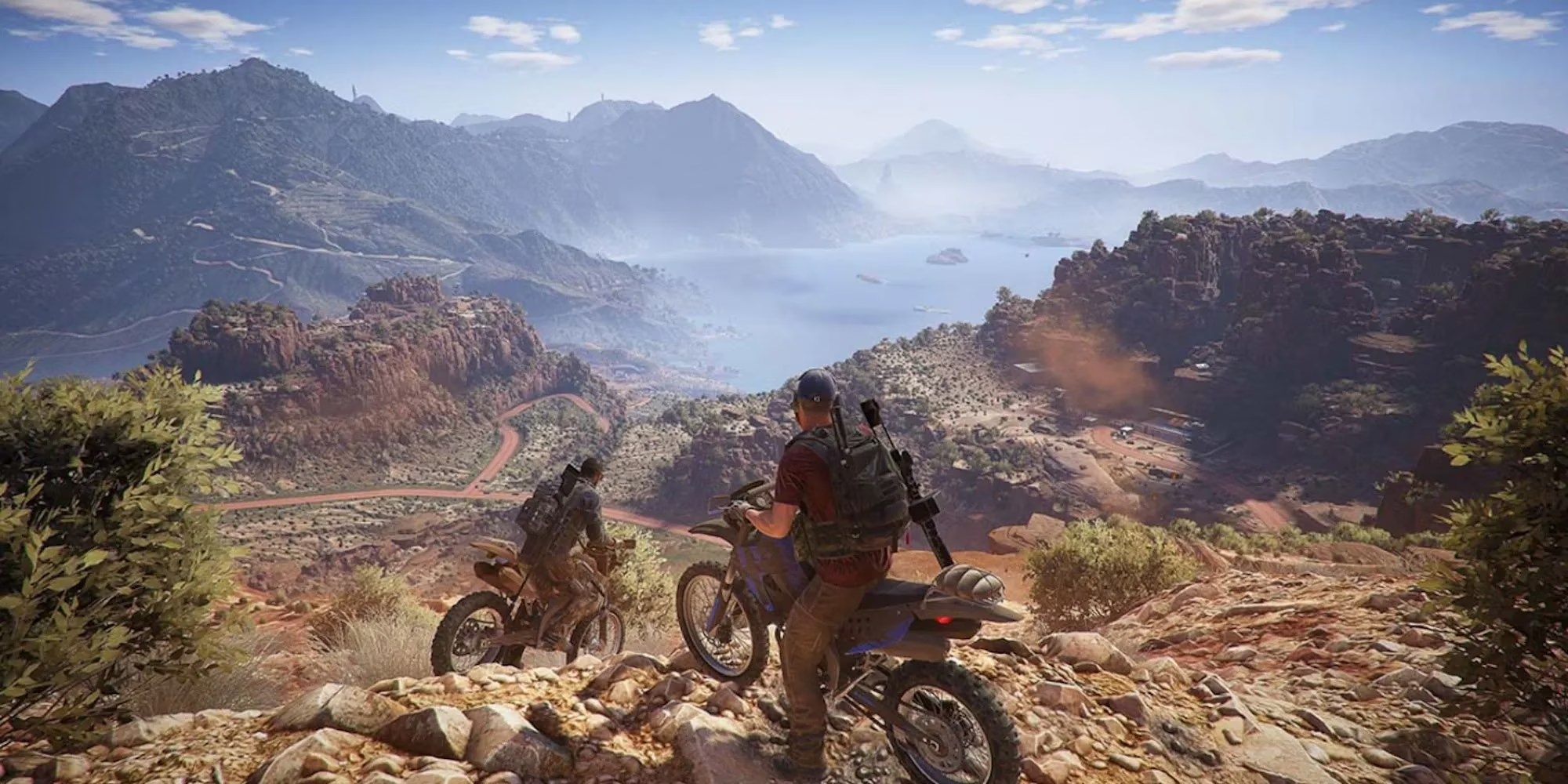
The Green Labyrinth – Shadow of the Tomb Raider
Shadow of the Tomb Raider drops Lara Croft into her most dangerous adventure yet, and the South American setting is a huge part of that danger. The jungle became a breathing green labyrinth, where shadows clung to me like a second skin soaked in rain. I still remember fighting like a jaguar, disappearing into mud and underwater passages, and feeling less like a tourist and more like a predator learning the terrain. The hidden tombs are the real reward. They are not just puzzle rooms but miniature cathedrals of moss, stone, and memory. Every step through those deadly environments carried the weight of a Maya apocalypse, and the humid, claustrophobic urgency has never quite left me.
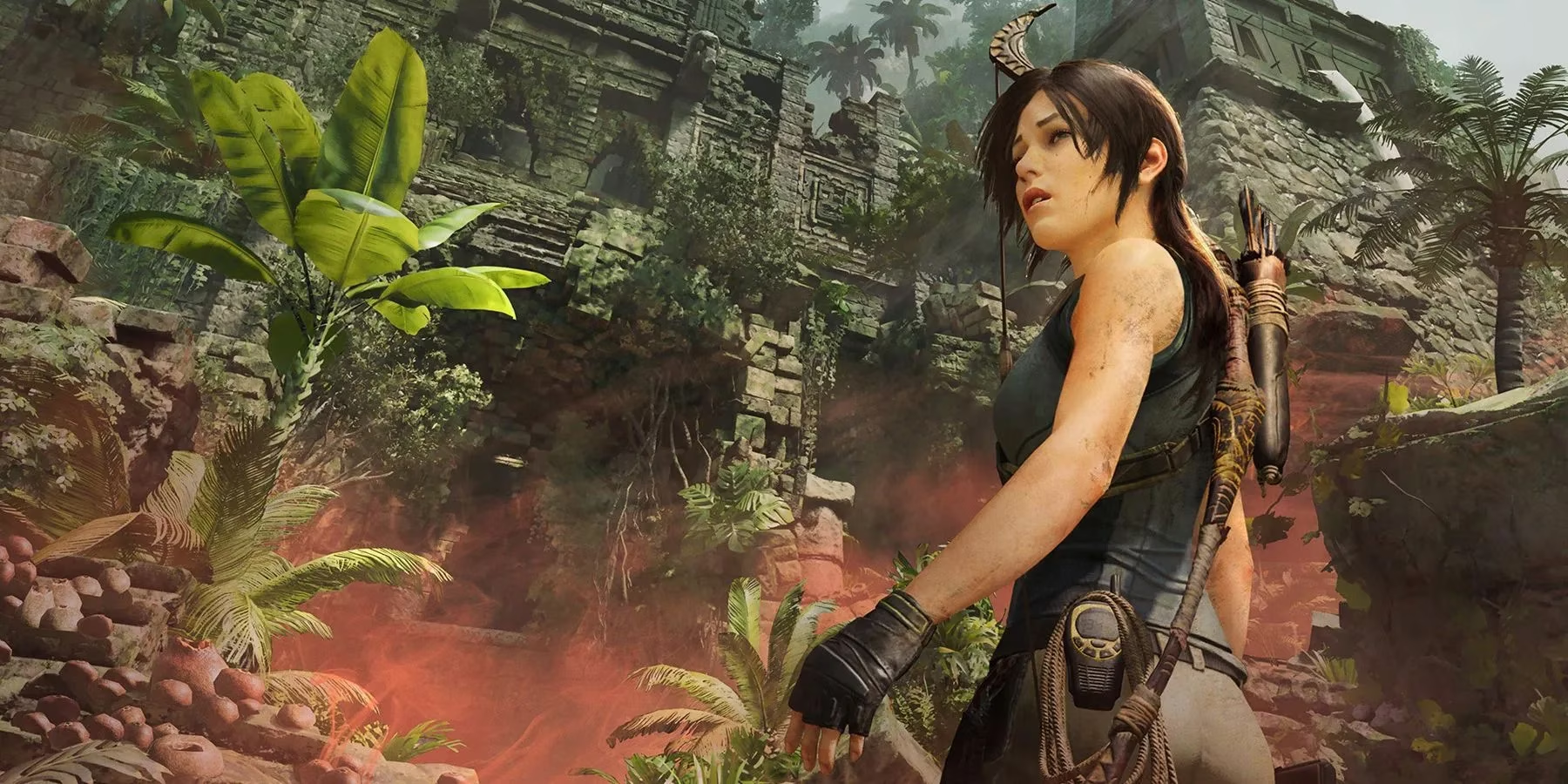
A Fever Dream in Brazil – Max Payne 3
Max Payne 3 transplants the troubled New York cop to Brazil, and the result is a fever dream wrapped in neon sweat and bullet casings. The shooting mechanics are the smoothest of the trilogy, but I remember the environmental storytelling just as much. Favela alleyways, airport terminals, and rooftop nightclubs all feel like characters in their own right. Max is a fish out of water, and the game never lets me forget it. Every gunfight is a ballet of desperation, and every cutscene drips with the weight of his grief and painkiller haze. Brazil is not just a backdrop here; it is a mirror that shows Max how far he has fallen.
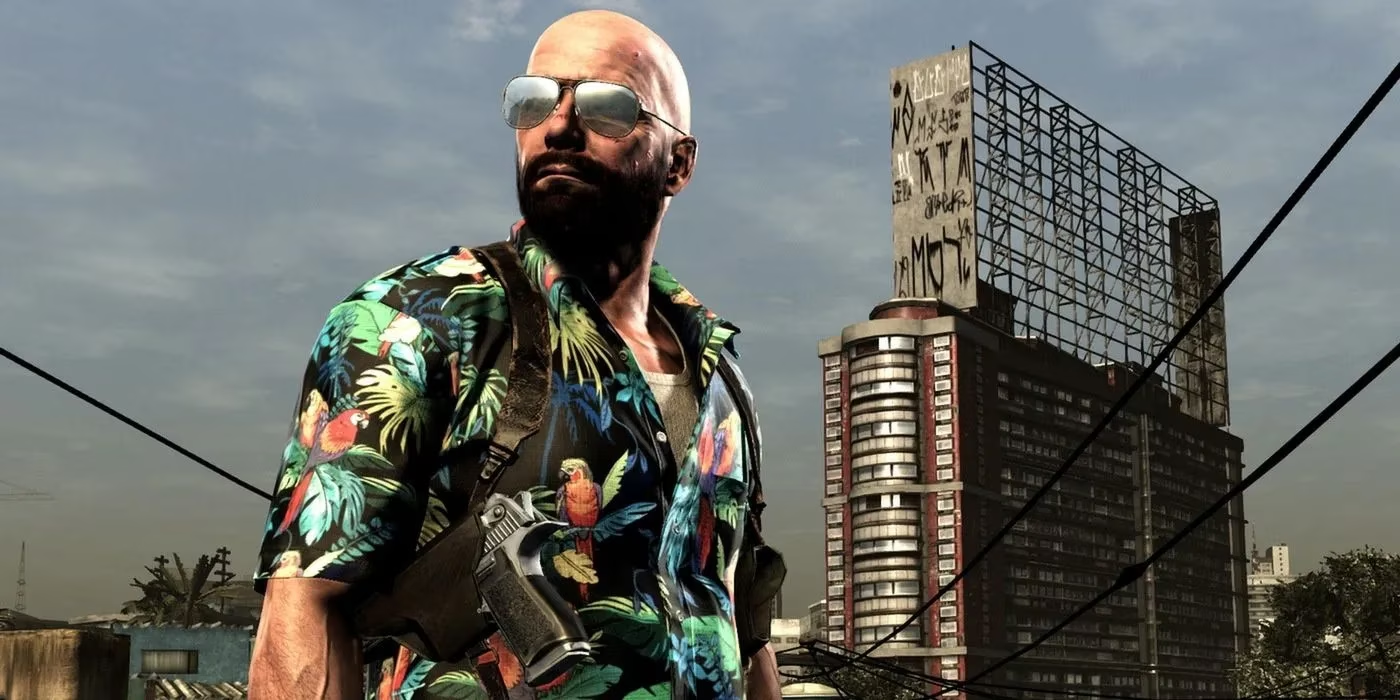
A Firework Stand Struck by Lightning – Just Cause 4
Rico Rodriguez's adventure in Solis is absurd, and that is exactly why I love it. Solis is a firework stand struck by lightning—chaotic, beautiful, and impossible to ignore. The wingsuit and grappling hook turn the entire country into a playground where tornadoes, jets, and oppressive government forces are just obstacles to be toppled. Deserts, cities, and humble towns roll beneath me as I chain explosions and stunts. It may not be the most beloved Just Cause game, but for pure sandbox dopamine, its South American landscape delivers in a way few other games can. The land is vast enough to feel wild, but structured enough to keep me searching for the next ridiculous stunt.
Ancient Ruins, Modern Charm – Uncharted: Drake’s Fortune
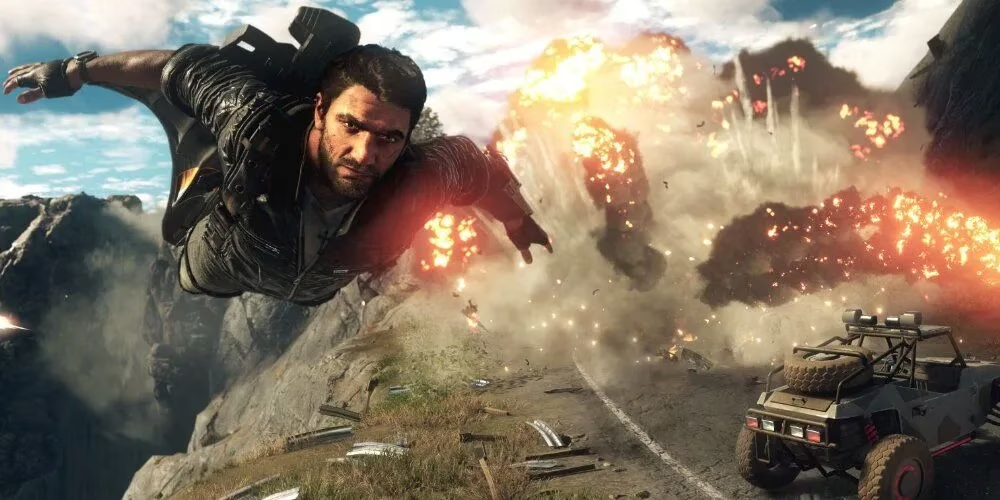
Nathan Drake's debut feels like an ode to classic treasure hunter adventures, and its South American jungle setting is still vibrant years later. I still remember crashing through ruins, solving puzzles, and trading quips with Sully while mercenaries tried to kill me. The game's plot is lean and pulpy, but the atmosphere is thick with humidity and history. It captures that childlike thrill of discovering a lost civilization before the bad guys do. The vibrant jungle is not just decoration; it is a maze of danger and discovery that keeps every expedition tense and rewarding.
War-Torn Playground – Mercenaries 2: World in Flames
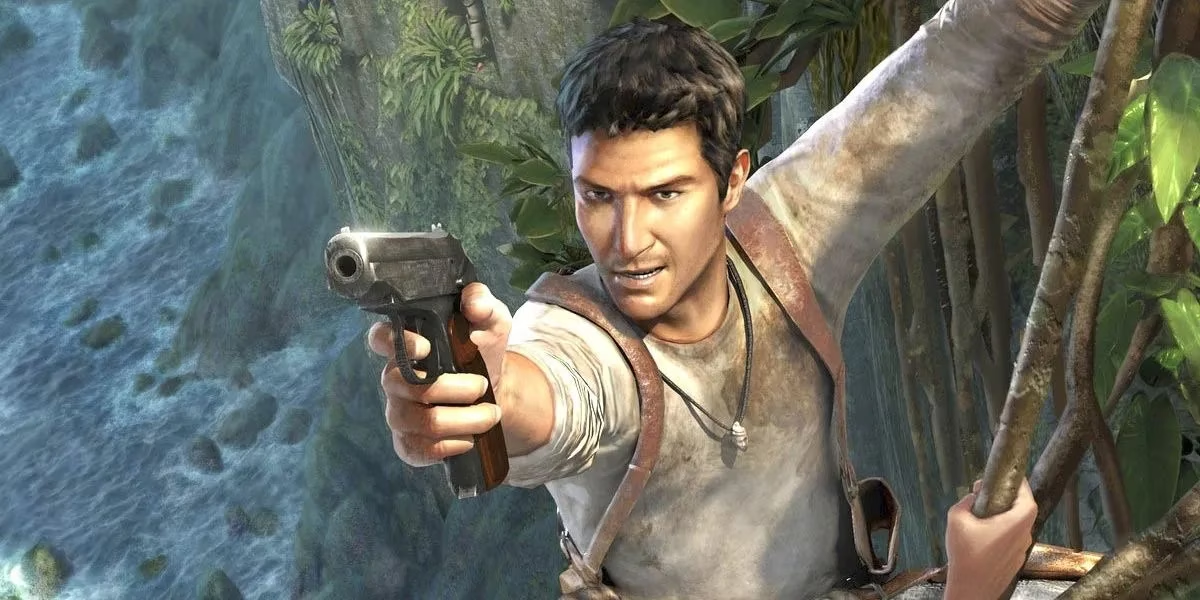
Mercenaries 2 lets me build a Private Military Corporation and reshape a South American conflict. Its world is a war-torn playground where dark jungles and solitary mountain ranges create a surprising sense of scale. The destructible environments were ahead of their time, and even now I find a strange satisfaction in leveling an enemy stronghold with a well-placed airstrike. It is not the most polished classic, but the co-op freedom and physicality of destruction keep it in my rotation. The game understands that a living world is not just about pretty scenery, but about how the player can leave a permanent mark on it.
Four-Wheeled Wanderlust – Forza Horizon 5
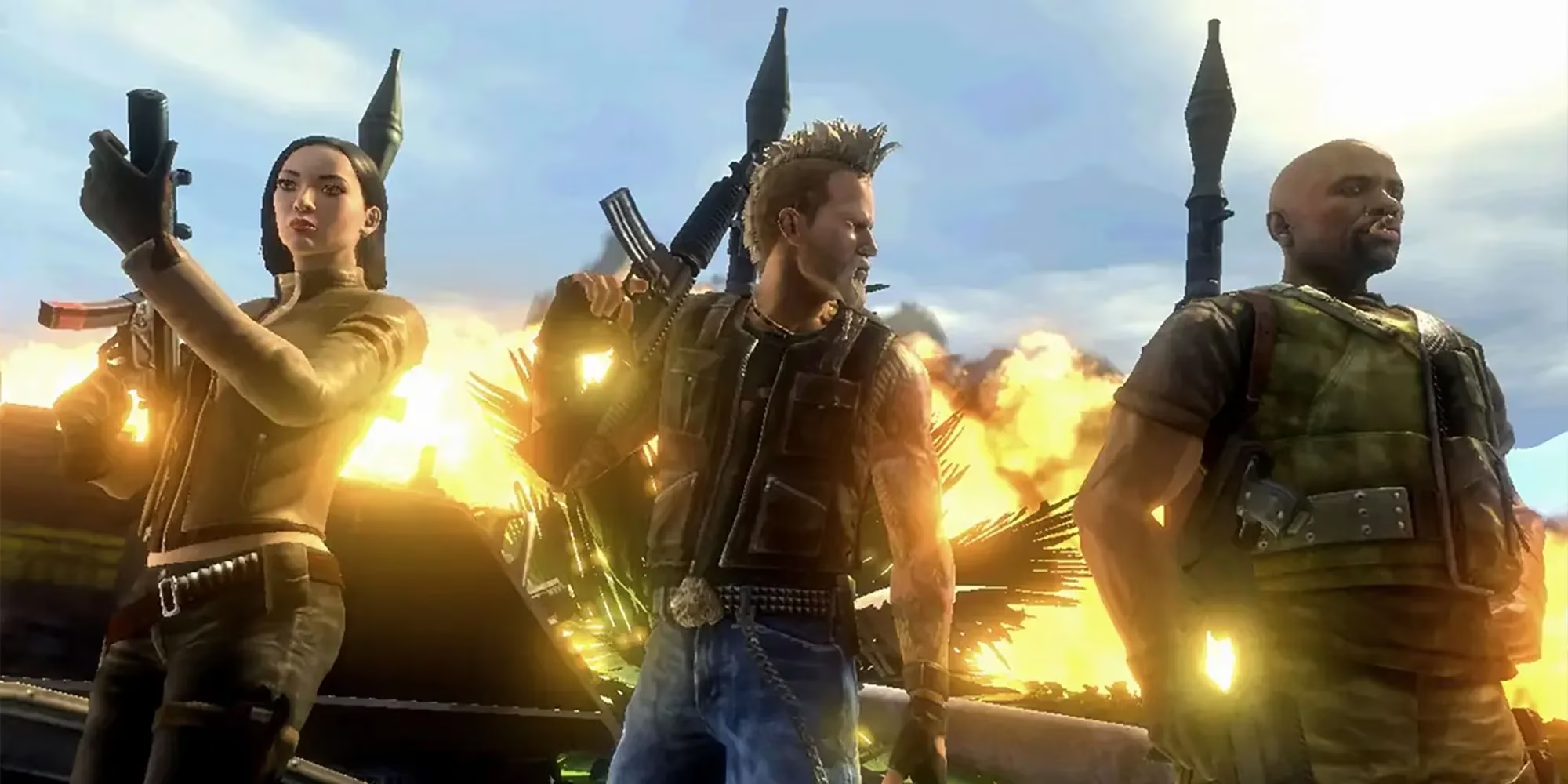
Technically set in Mexico rather than South America, Forza Horizon 5 still earns a place in my mind because it captures the same vibrant, humid, and varied spirit of the region. Driving through jungle roads, coastal highways, and rugged highlands feels like a love letter to Latin American landscapes. The car detail is staggering, and the open-world races never let me run out of fuel or curiosity. In 2026, it remains one of the most beautiful places I have virtually driven through. Whether I am drifting through a small town or speeding across an open desert, the world feels alive with color and motion.
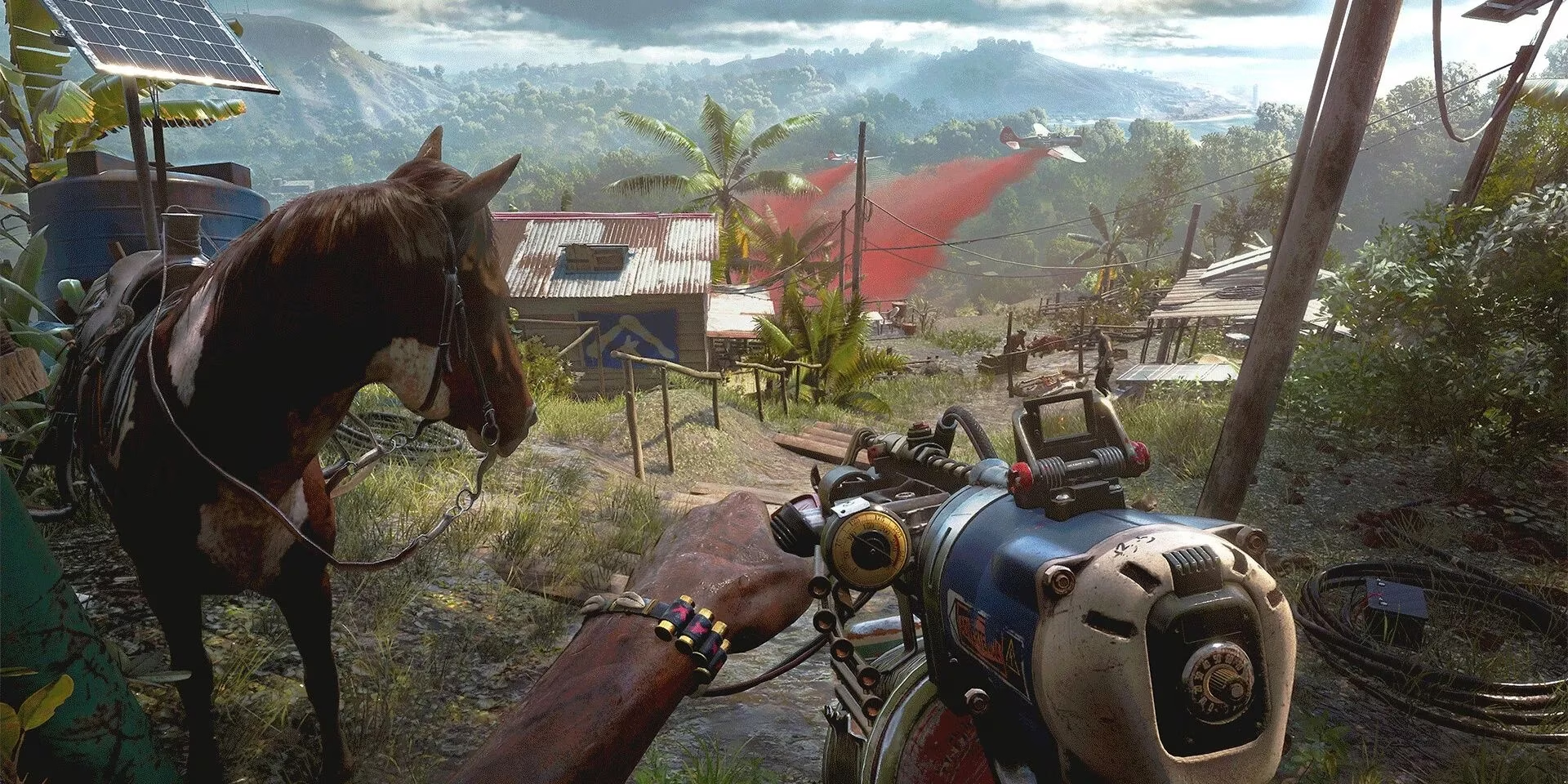
The Caribbean Mirage – Far Cry 6
Far Cry 6's Yara is inspired by Cuba, which sits just outside South America, but the broader Latin American tapestry often pulls it into the conversation. Giancarlo Esposito's tyrant casts a long shadow over a tropical island simmering with revolution. The open world may follow Ubisoft's familiar formula, but the period details and sun-bleached architecture still make Yara a vivid place to explore. I found myself pausing between firefights to admire the coastline and the decaying colonial towns. It is a fictional country, but the details are real enough to make the oppression feel immediate.
| Game | South American / Latin Inspiration | What Draws Me Back |
|---|---|---|
| Ghost Recon Wildlands | Bolivia | Tactical co-op and natural grandeur |
| Shadow of the Tomb Raider | Amazonian jungles and Maya ruins | Claustrophobic exploration and hidden tombs |
| Max Payne 3 | Brazil | Slick gunplay and oppressive atmosphere |
| Just Cause 4 | Fictional Solis | Chaotic wingsuit and grappling hook sandbox |
| Uncharted: Drake's Fortune | Ancient South American ruins | Classic treasure hunting energy |
| Mercenaries 2 | Unnamed South American conflict | Destructible playground and co-op freedom |
| Forza Horizon 5 | Mexico | Gorgeous open-road driving across varied terrain |
| Far Cry 6 | Fictional Cuba-inspired Yara | Tropical revolution and dense environmental detail |
These games are not just backdrops; they are characters, histories, and weather systems. In 2026, I still use them as virtual vacations—some are vacations to a warzone, others to a ruin, but all of them remind me why South America remains an underused treasure chest in the games industry. If I ever need to feel lost in a place that does not care whether I survive, I know exactly which worlds to reload.
Comments