
I’ve spent countless hours in virtual worlds, and while most gamers talk about epic boss fights or gripping narratives, there’s one thing that truly sticks with me: the mundane yet devastating hazards that lurk around every corner. In 2026, even as new AAA titles push graphical fidelity and AI to their limits, I still find myself returning to classics that masterfully turned the environment into a silent antagonist. Whether it’s a sudden rainstorm making a cliff unclimbable or a reckless driver ruining a perfect getaway, these unpredictable moments create the kind of emergent storytelling that keeps the genre alive. Here’s a look at the most realistically dangerous open-world games that have kept me on my toes for years.
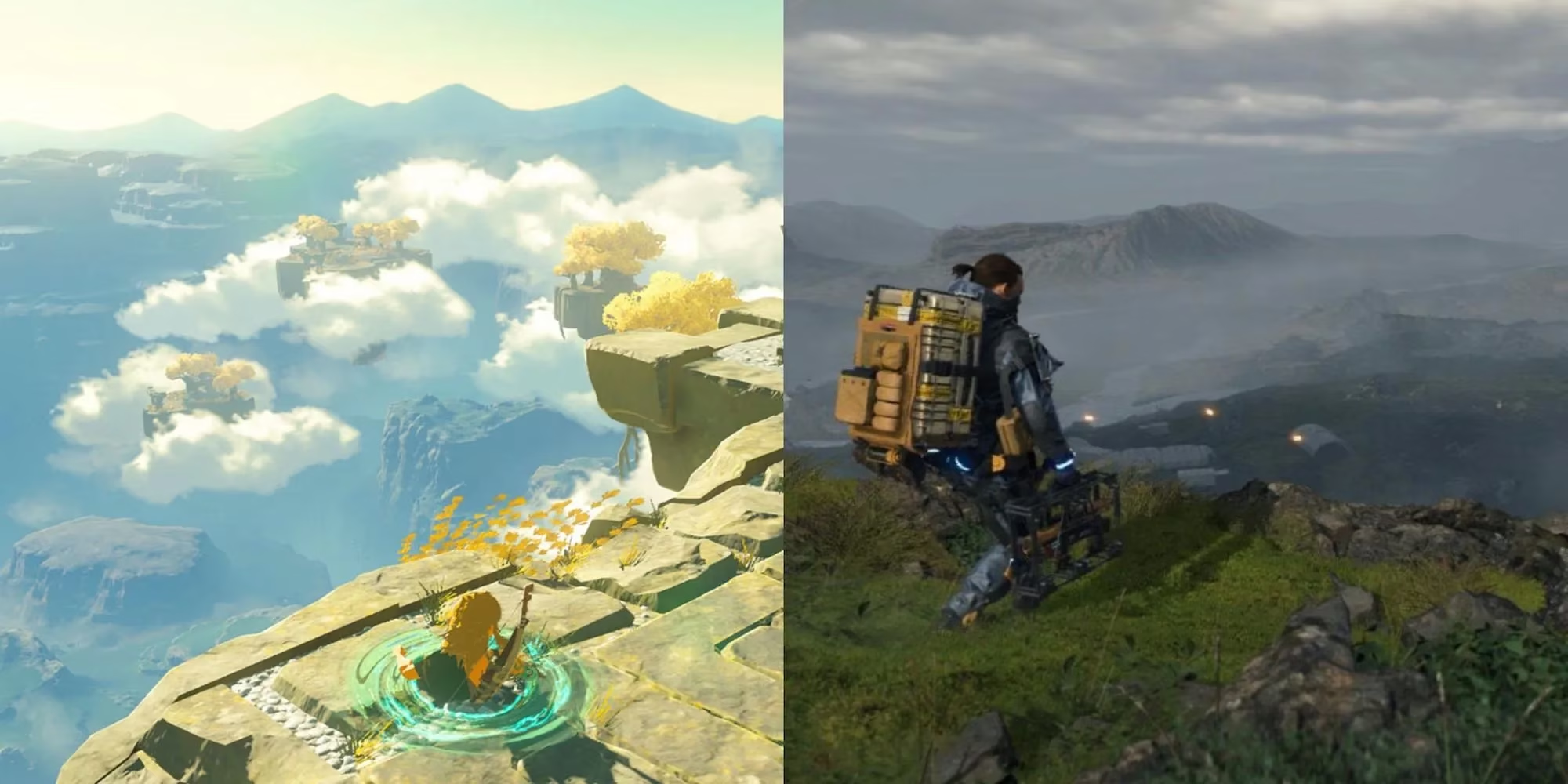
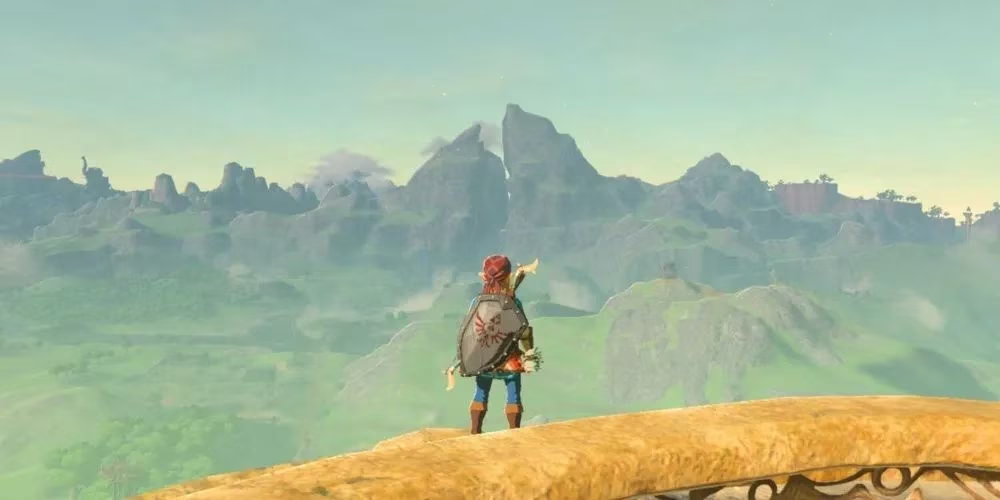
I remember my first time scaling the cliffs in Hyrule. The Legend of Zelda: Tears of the Kingdom (and its predecessor, Breath of the Wild) elevated environmental interaction to an art form. You can use almost anything to solve puzzles or craft makeshift weapons, but the world always bites back. Weather isn’t just cosmetic—lightning can strike your metal equipment, freezing temperatures drain your health, and the rain… oh, the rain. Just as you’re about to reach a shrine perched on a sheer rock face, a downpour begins and Link starts sliding helplessly. The sheer terror of watching your stamina wheel deplete while inches from safety is something no horror game has matched. It’s a hazard as unforgiving as it is mundane, and it taught me to always check the forecast (or pack a lot of stamina-boosting meals).
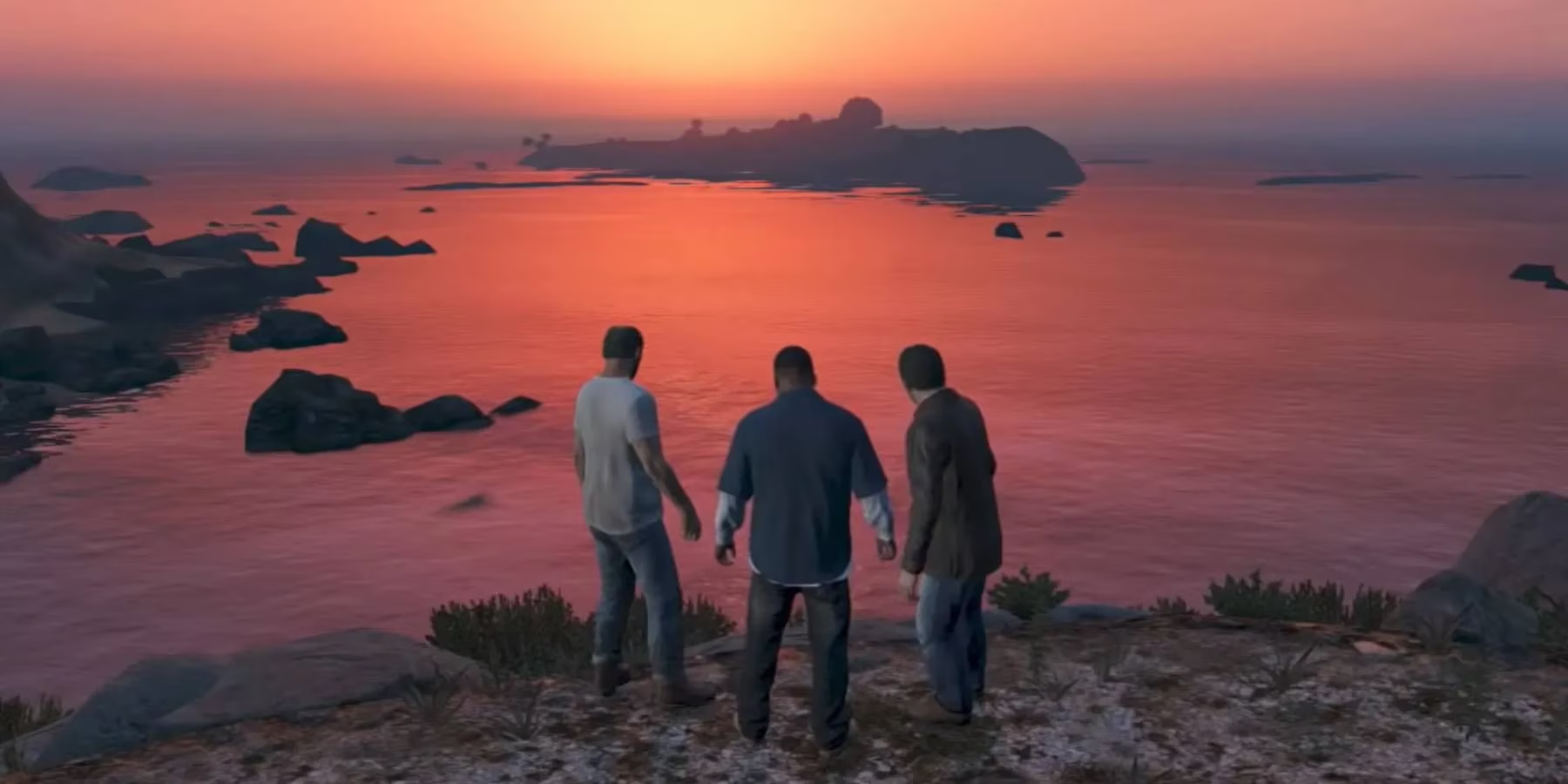
Then there’s the urban jungle of Los Santos. Grand Theft Auto V’s satire of modern America remains deadly even in 2026, especially when you’re just trying to cross the street. Unlike most open-world games where pedestrians have some self-preservation instinct, the drivers in GTA are maniacs. I’ve been flattened more times by a speeding sports car than by any police helicopter. It’s almost comical how little regard the NPCs have for human life—one moment you’re admiring the sunset, the next you’re ragdolling through the air. This daily peril forces you to treat every intersection like a real road crossing, and honestly, it’s a hilarious reminder of how cheap life is in a sandbox built for chaos.
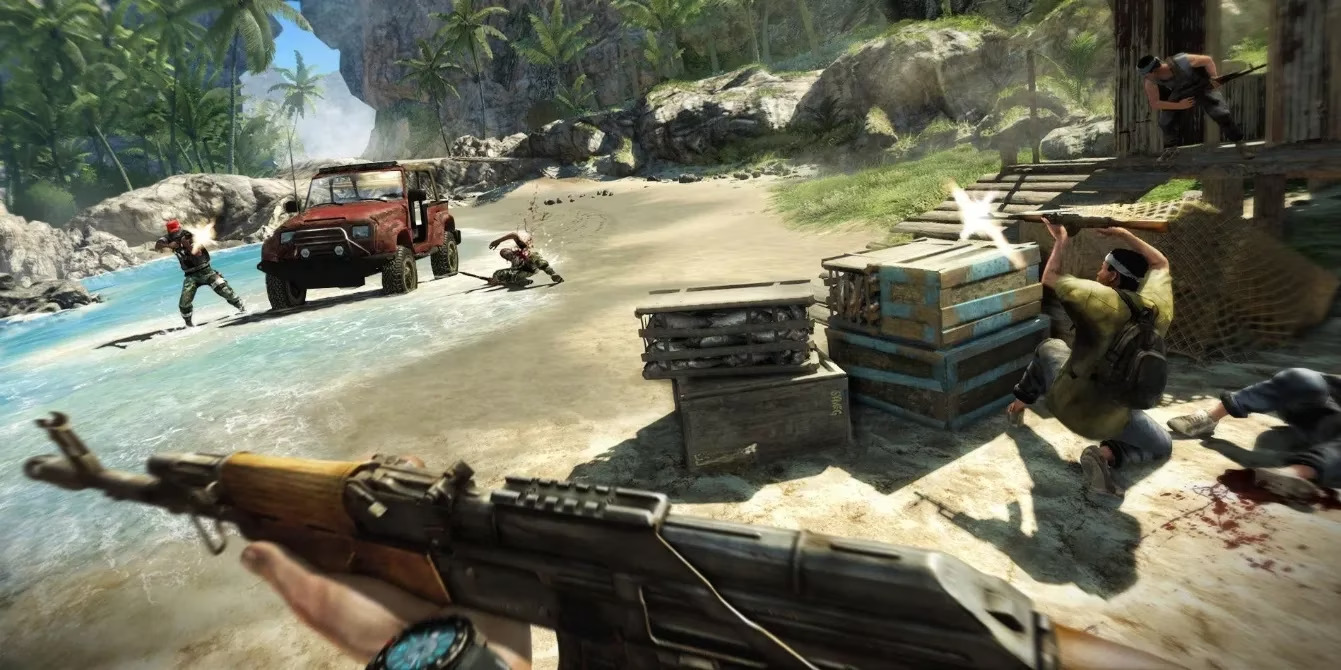
Far Cry’s tropical paradises are another beast entirely. The series has hopped between islands, savannahs, and mountains, but one constant is the wildlife that wants to eat you. My first encounter with a tiger in Far Cry 3 is burned into my memory. I was quietly scouting an outpost when I heard a rustle behind me—turning around to find a pair of glowing eyes was pure nightmare fuel. In an instant, my stealth approach was ruined, and I was frantically scrambling for a shotgun. These predators don’t just attack; they stalk you, turning the hunter into the hunted. I’ve since learned to bait enemies into animal territories, but the initial shock never really goes away.
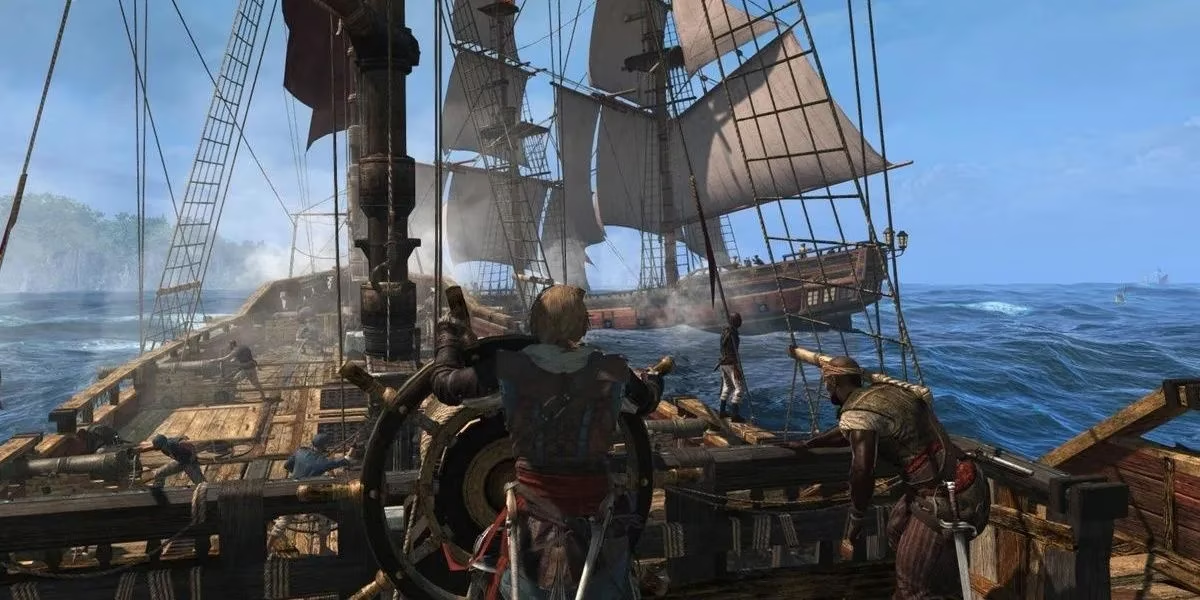
Not all threats are on land. Assassin’s Creed IV: Black Flag turned the Caribbean into a pirate’s playground, but the sea itself is a ruthless opponent. Sailing into a storm is no joke—rogue waves can capsize your ship, and trying to aim cannons while the deck pitches violently is a test of patience. I once lost a fully upgraded Jackdaw to a hurricane because I was too stubborn to wait it out. The sheer chaos of naval combat combined with nature’s fury made every voyage feel like a gamble. Even now, Ubisoft is still milking the pirate fantasy with its successor, but nothing captures that terrifying sense of vulnerability quite like Black Flag.
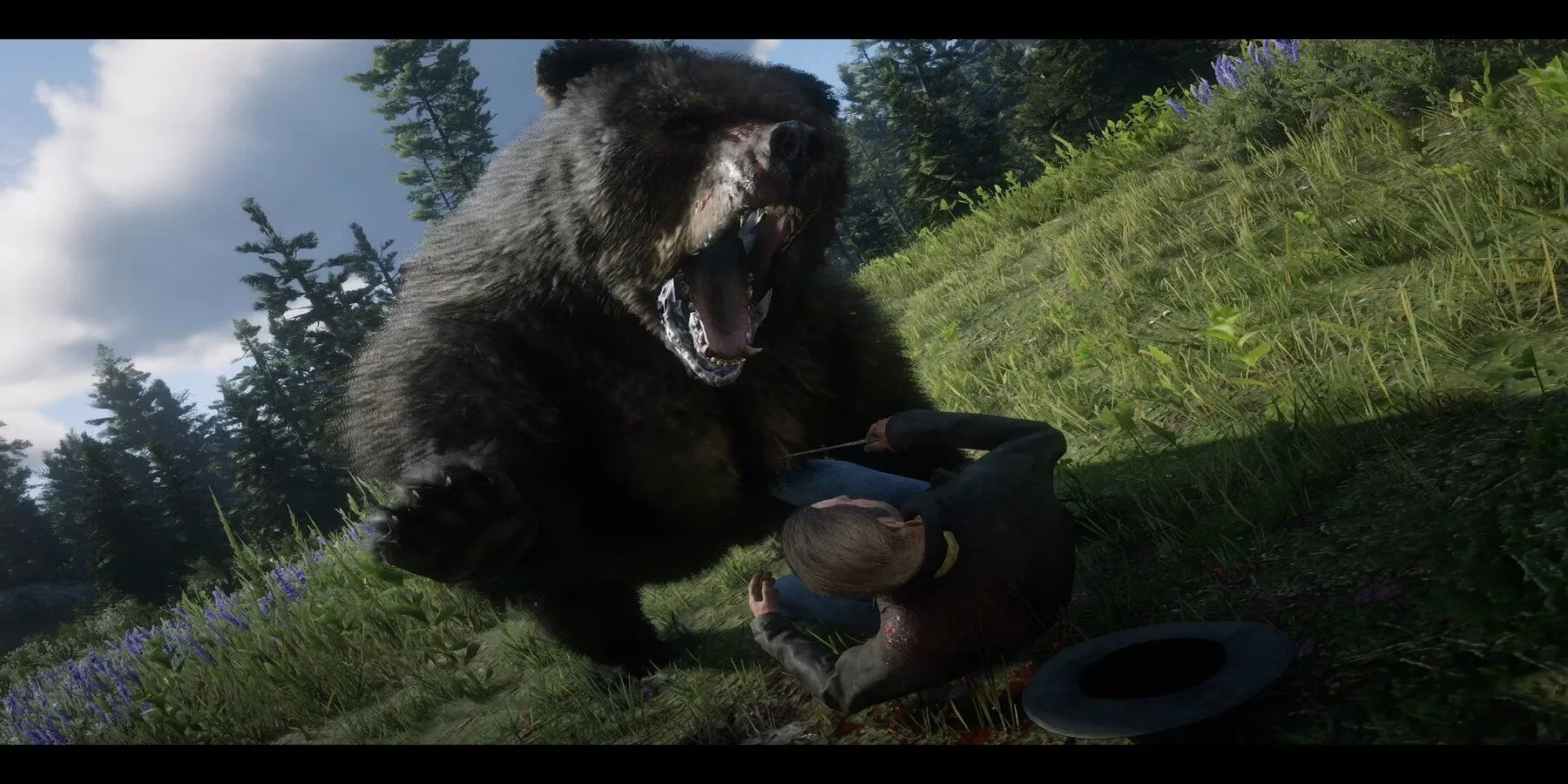
Rockstar’s Red Dead Redemption 2 is a masterclass in immersive danger. The Wild West is already riddled with outlaws, but the true menace comes on four legs. Bears and cougars don’t just charge; they ambush. I remember riding through the forest at dusk, only to be yanked off my horse by a mountain lion I never saw coming. Unlike other games, Arthur Morgan doesn’t carry a rapid-fire machine gun—your odds of survival depend on quick reflexes and a good rifle. The reward? A pelt that can craft the finest gear, but only if you survive. This brutal balance makes every hunt a pulse-pounding affair.
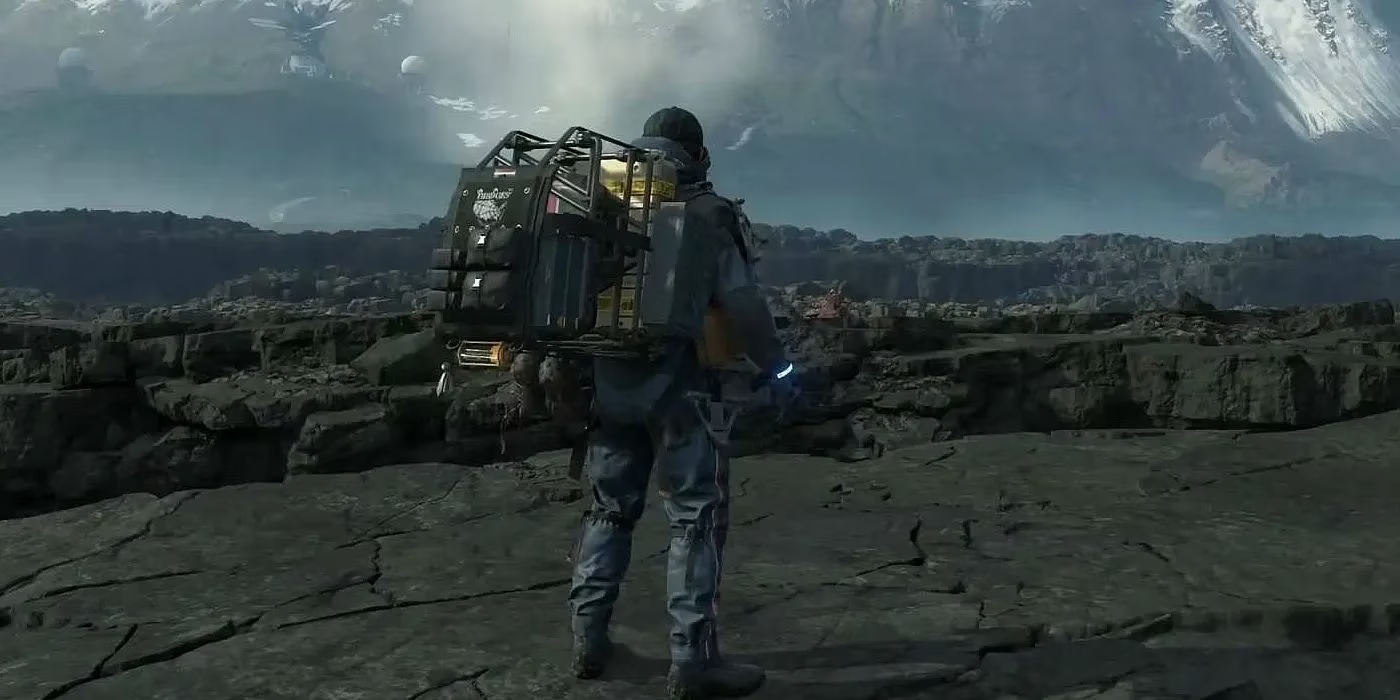
Finally, Hideo Kojima’s Death Stranding redefined environmental peril. The Timefall and ghostly BTs are scary enough, but the real adversary is the terrain itself. As Sam Porter Bridges, each delivery is a battle against gravity. I’ve lost count of the times a steep slope and an overloaded backpack sent me tumbling down a mountain, scattering precious cargo everywhere. It’s incredibly frustrating, yet oddly rewarding when you plan the perfect route and arrive intact. Even with the upcoming follow-up, the original’s emphasis on the simple act of walking as a strategic challenge remains a breath of fresh air in a genre obsessed with fast travel.
These hazards might sound like complaints, but they’re actually why I love open-world games. They refuse to let you feel like an invincible superhero. The rain that ruins your climb, the car that flattens you out of nowhere, the animal that mauls you during a quiet moment—these are the stories you remember and share with friends. In 2026, as developers chase ever-larger worlds, I hope they remember that true immersion comes not from size, but from the small, realistic dangers that make every step meaningful.
Comments