
In the vast expanse of digital realms, open-world games are often celebrated for their boundless freedom, inviting players to roam, climb, and conquer. Yet, beneath the surface, these landscapes serve as profound mirrors to the human psyche, exploring themes of identity, guilt, trauma, and redemption with a poetic intensity that lingers long after the controller is set down. It's not just about the journey; it's about the soul-searching that unfolds in the quiet moments between chaos. These worlds are crafted not merely to entertain but to evoke, forcing players to confront the invisible threads that bind memory to madness, choice to consequence. And oh, how they make you feel—like a punch in the gut or a whisper in the dark, leaving you questioning who you are in the grand scheme of it all.
The Silent Echoes of Red Dead Redemption 2
Under the crimson skies of America's fading frontier, Red Dead Redemption 2 transforms the wild west into a meditation on mortality. Arthur Morgan's long rides are not mere treks but introspective voyages, where silence becomes the loudest voice. He sits, journal in hand, grappling with the weight of his choices and the unraveling Van der Linde gang. Time drags slowly here, filled with missed chances and impossible dilemmas, making players feel the ache of inevitability. It's a real head-scratcher how a game can turn grief into something too vast to shoot—legendary beasts and train robberies pale against the creeping dread of Arthur's realization that not all wounds heal. 💔 The psychological depth lies in the quiet, where redemption feels like a distant star, always out of reach.
Cyberpunk 2077: Neon Shadows and Inner Demons
At first glance, Cyberpunk 2077 dazzles with chrome limbs and neon-lit chaos, but scratch beneath the surface, and it's a gut-wrenching dive into existential dread. V shares their headspace with Johnny Silverhand, an AI ghost who's more than just a grudge—he's the voice challenging every decision, mocking fears, and probing life's biggest mysteries. Night City mirrors this inner conflict: flashy on top, rotten underneath. Every gig, every broken vending machine with a personality, screams of people clinging to sanity in a world that rewards detachment. It's like living in a fever dream, where the mind is both battlefield and prison, and escaping feels harder than any boss fight. What does it mean to die? To live on? The game doesn't give easy answers; it leaves you stewing in your own thoughts.
Death Stranding: The Weight of Solitude
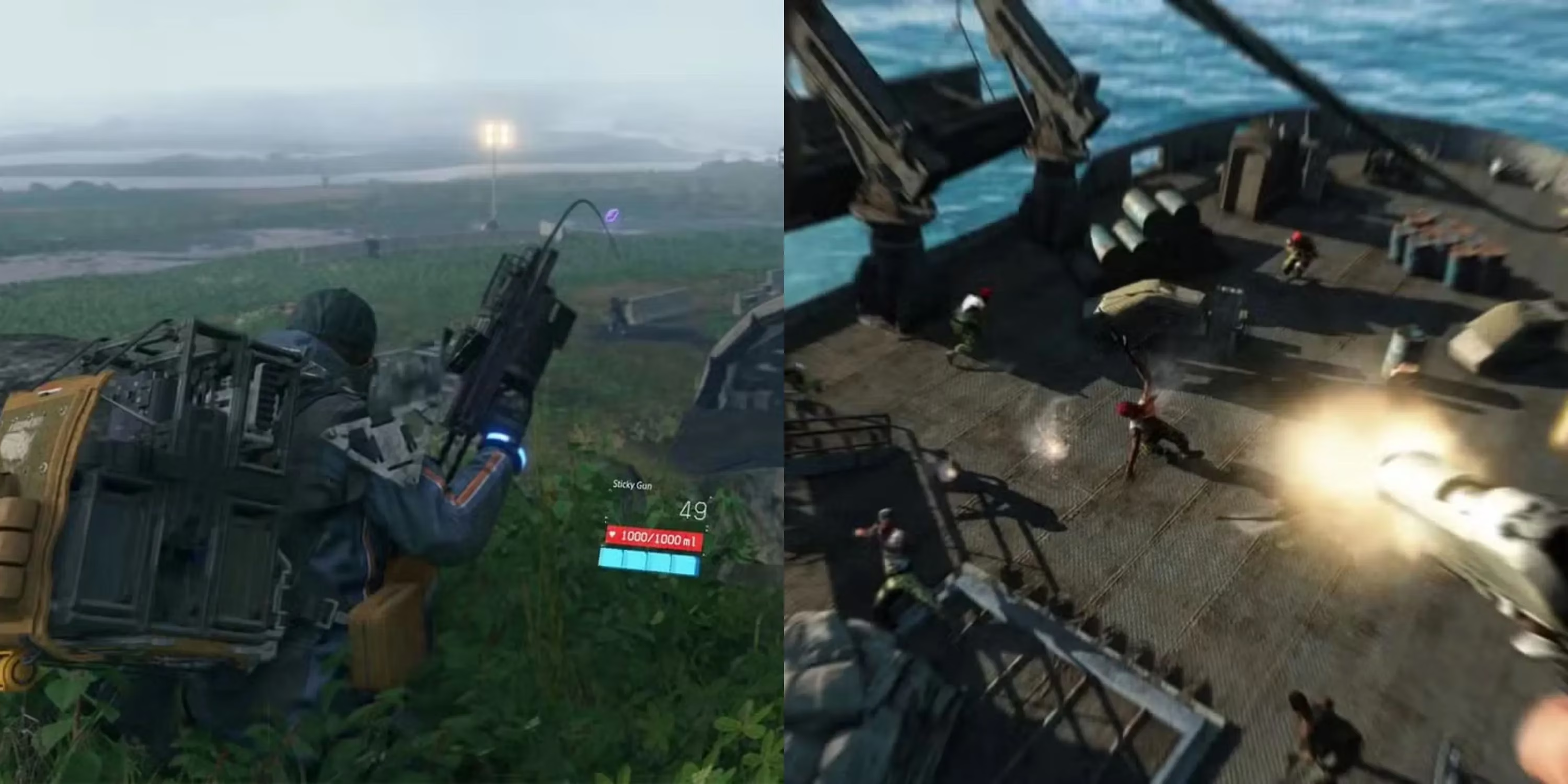
Step into the shattered remnants of America in Death Stranding, and you're not just carrying packages—you're hauling the invisible burdens of isolation and grief. Sam Porter Bridges' journey is a slow, deliberate crawl through landscapes marinated in loneliness. With scarce conversations and minimal combat, the game forces players to sit with their thoughts, reflecting on Sam's trauma and the desperate need for connection. Kojima's "strand game" is really about those invisible threads between people, memories, and times, exploring depression with a patience that's rare in gaming. 😔 Each step feels like dragging your soul through mud, making you ponder the fragility of human bonds.
Far Cry 3: Descent into Madness
On the surface, Far Cry 3 is a tropical paradise of explosions and pirate battles, but it hides one of gaming's most gripping psychological unravelings. Jason Brody starts as a carefree frat boy and morphs into a cold-blooded killer with unsettling ease. The island isn't just a setting; it's an accomplice in his breakdown. Vaas, the unhinged villain, famously asks about insanity, but the real mind-bender is how Jason adapts—violence becomes natural, and the hero's path feels like a slippery slope. Why does it feel good? How much of yourself can you lose? The game doesn't shy from these dark questions, leaving players with a lingering sense of unease.
The Witcher 3: Haunted Memories
Geralt of Rivia roams war-torn lands slaying beasts, but The Witcher 3 is a masterclass in dissecting trauma and repression. From Velen's barren swamps to Novigrad's decadence, every region echoes with psychological rot—families torn apart, abuse victims, and folklore masking pain. The Bloody Baron questline is a standout, a brutal commentary on generational trauma and addiction. 😱 Geralt, a mutant haunted by forgotten choices, navigates morally grey waters, showing how guilt and memory blur the lines of reality. The real monster isn't the ghoul; it's the mind trying to forget.
Disco Elysium: The Fractured Psyche
Though its world is small, Disco Elysium packs a psychological punch like no other. Revachol is a city drowning in regret and post-revolutionary hangover, mirroring the protagonist's shattered identity. Waking up in a trashed hostel, pants missing and name forgotten, he's bombarded by internal voices—Inland Empire questions reality, Electrochemistry craves substances, and Authority urges violence. Players navigate morality and failure through dialogue with themselves, turning the game into a vivid exploration of piecing identity back together from scraps. It's a real trip, capturing the chaos of falling apart and rebuilding.
| Game | Core Psychological Theme | Key Emotional Impact |
|---|---|---|
| Red Dead Redemption 2 | Guilt and Redemption | Slow-burning grief and inevitability 💔 |
| Cyberpunk 2077 | Identity and Existential Dread | Inner conflict and detachment 😵 |
| Death Stranding | Isolation and Connection | Weight of loneliness and hope 😔 |
| Far Cry 3 | Violence and Identity Loss | Descent into madness and adaptation 😱 |
| The Witcher 3 | Trauma and Memory | Moral ambiguity and haunting past 👻 |
| Disco Elysium | Regret and Self-Reconstruction | Internal dialogue and identity crisis 🌀 |
In the end, these open-world games are more than escapism; they're soulful journeys into the human condition. They remind us that the most dangerous terrains aren't the mountains or cities, but the mind itself—where every choice echoes with the weight of who we are. It's a wild ride, folks, one that leaves you changed, not just entertained.
Comments